Macronutrients and Plant Disease Resistance
How nitrogen, phosphorus, potassium, calcium, sulphur and magnesium influence a plant’s ability to resist disease.

How nitrogen, phosphorus, potassium, calcium, sulphur and magnesium influence a plant’s ability to resist disease.
How boron, zinc, copper, manganese, iron and silicon help plants defend themselves against disease.
Why balanced mineral nutrition is one of the most effective ways to keep plants healthy and resistant to disease.
A small trace element with a big job: what zinc does in plants and how to keep it in balance.
Nano, community, biotope, planted, shrimp and marine tanks: what sets each setup apart.
Why nitrogen is the nutrient plants need most after carbon, and how to recognise and correct a shortage.
How bacteria turn fish waste into nitrate, how long cycling takes and how to keep the cycle stable.
The four pillars of healthy plant growth: light, CO2, micronutrients and macronutrients.
Target water values, how to estimate fertiliser use and how to choose between all-in-one and single-component systems.
Classify your aquarium by light, CO2 and plant mass to find the right starting point for fertilisation.
How to read the signs of CO2, macro- and micronutrient shortages in aquarium plants, and how to correct them.
Why nitrite is dangerous to fish, how to recognise a nitrite problem and what to do about it.

What the Legend Scissors lifetime warranty covers, what voids it, and how to request replacement parts.
Combine good tank maintenance with targeted spot treatment to get rid of black beard algae for good.
Bring artificial plants and resin ornaments back to life with a simple soak-and-rinse routine.

A step-by-step routine for restoring glass lily pipes, CO2 diffusers and drop checkers to a crystal-clear finish.
RO (Reverse Osmosis) water has been used for a long time in Marine Fishkeeping, but in recent times has also become increasingly popular among fresh water tropical fish enthusiasts. This article addresses some of the basic questions about the use of reverse osmosis water. It is not an in depth study, but intended only as a guide to the simpler aspects so further study and research will be needed for specific applications.
Nitrate levels in aquariums need to be controlled as at high levels they compromise the health and well-being of the fish. This can eventually lead to bacterial and fungal infections, Whitespot, Fin-rot and other diseases that take advantage of compromised immunity. High nitrate levels are often the cause of excessive algae growth too.
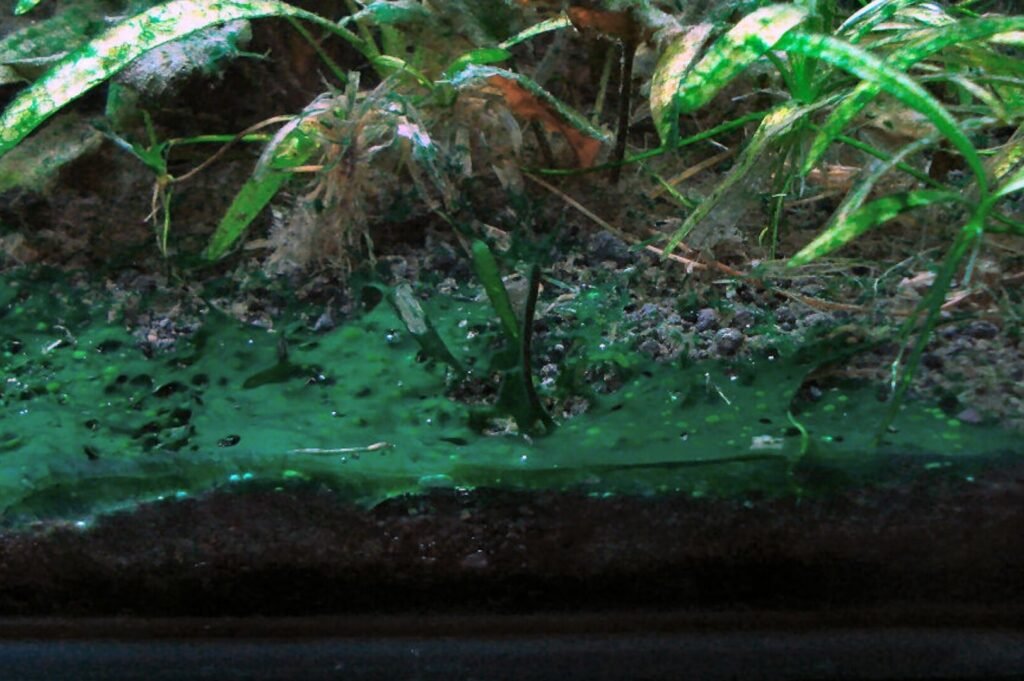
Cyanobacteria, often referred to as blue-green algae, are actually a type of bacteria rather than algae. While they were historically classified as algae due to their photosynthetic capabilities and their resemblance to algae in appearance, advances in molecular biology have led to their classification as bacteria.
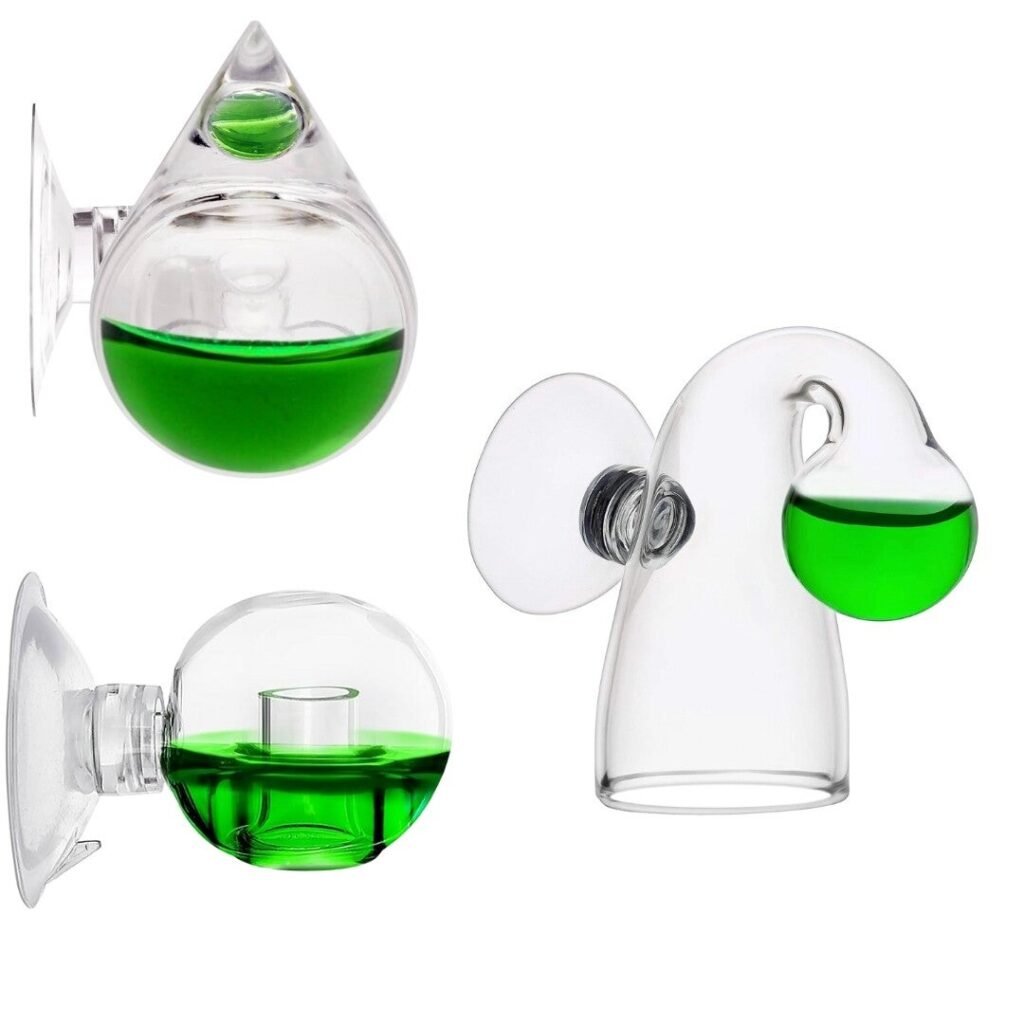
Drop Checker is an original glassware or acrylic product, designed to indicate the CO2 amount diluted within the aquarium water with color change of the pH reagent inside, in order to understand the proper amount of CO2 supply.

Legend Scissors are precision engineered to the highest standard providing you with superior cutting performance, however, in order to maintain these standards they must be cared for and cleaned correctly.
Scissors Care is our recommended care instructions to help you get the most out of your beloved Legend Scissors and to ensure they perform optimally for as long as possible.
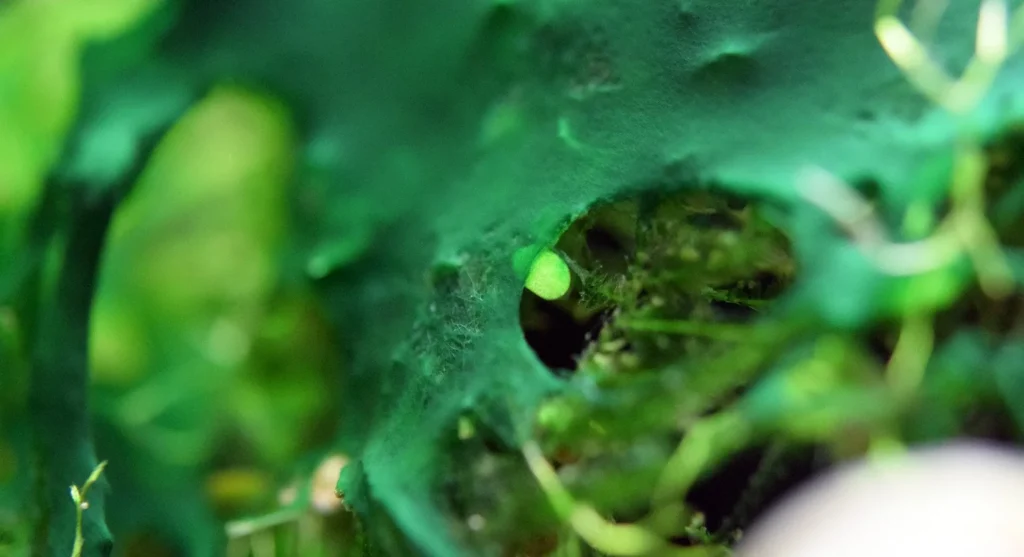
Cyanobacteria in the Aquarium — What It Really Is, Why It Appears, and How to Eliminate It Properly Few problems
Bacteria Although the establishment of beneficial bacteria in aquariums is pretty straightforward, we have to take into consideration that, for
Legal Terms and Conditions This Terms and Conditions Policy was last updated on May 14, 2026. This Terms and Conditions
Legal Delivery, Returns & Refunds Policy This Policy was last updated on May 14, 2026. This Policy applies to information
Legal Privacy Policy This Privacy Policy was last updated on May 14, 2026. This Privacy Policy applies to information collected
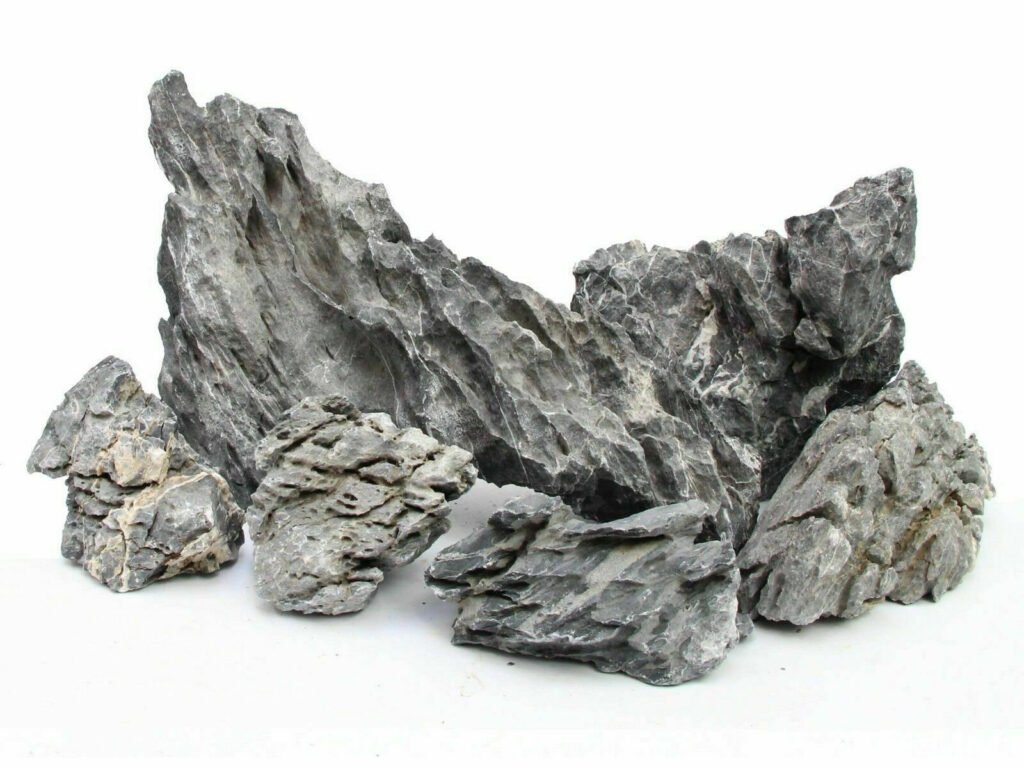
Beginners Guide First Fish Tank A Beginner’s Guide to Setting Up Your First Fish Tank Setting up a first aquarium
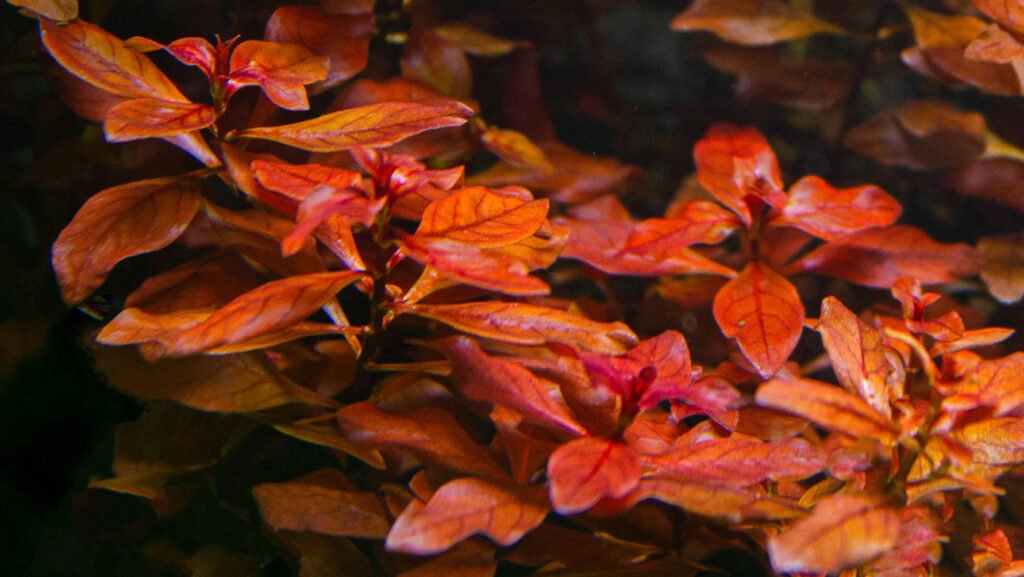
Aquarium plants do far more than decorate a tank. They take up waste nutrients, add oxygen during the day, give
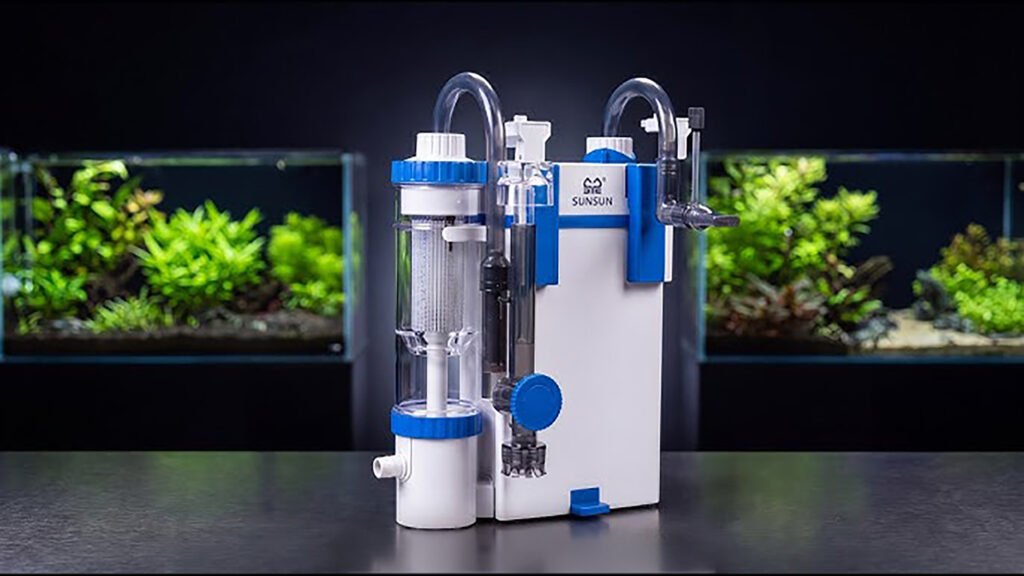
Aquascapes or plant aquariums have different requirements in terms of filter performance and equipment than a tank with a high

Algae in the aquarium might be the greatest nuisance for every tank keeper, be it in a classic social tank,
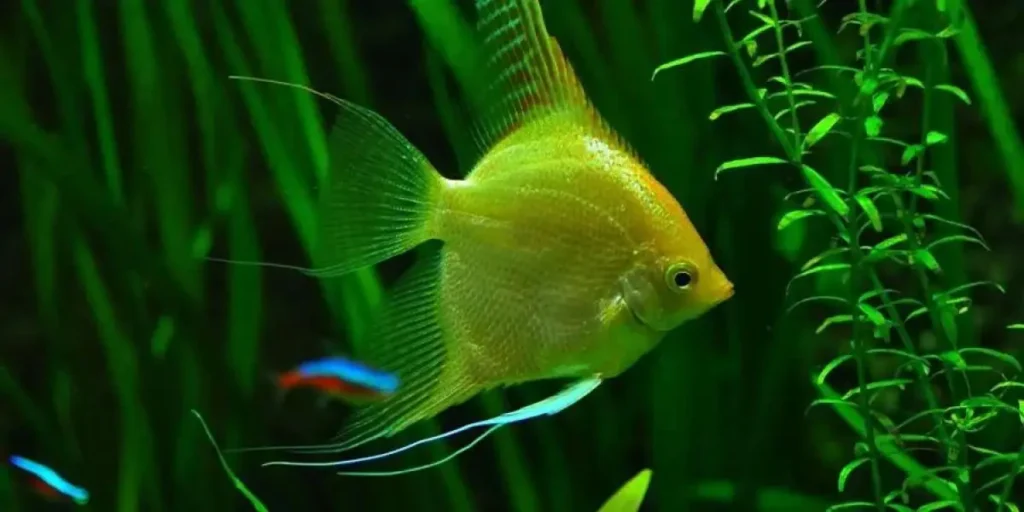
Fish diseases are generally classified as either systemic or infectious. Systemic conditions are commonly caused by environmental stress, poor water
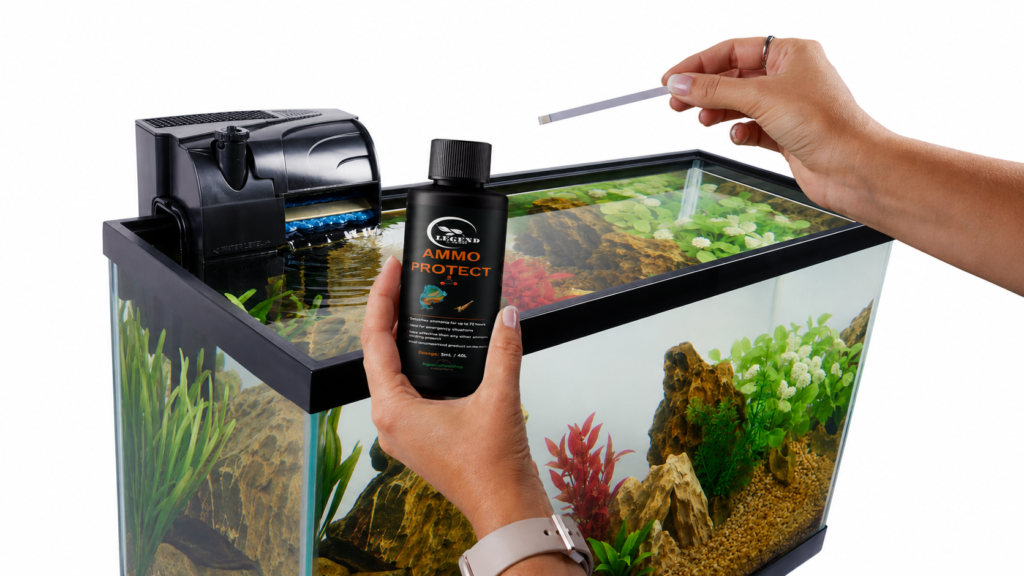
Ammonia Ammonia is formed from the metabolism of protein and is the major waste product of fish. The majority of