Cyanobacteria in the Aquarium — What It Really Is, Why It Appears, and How to Eliminate It Properly
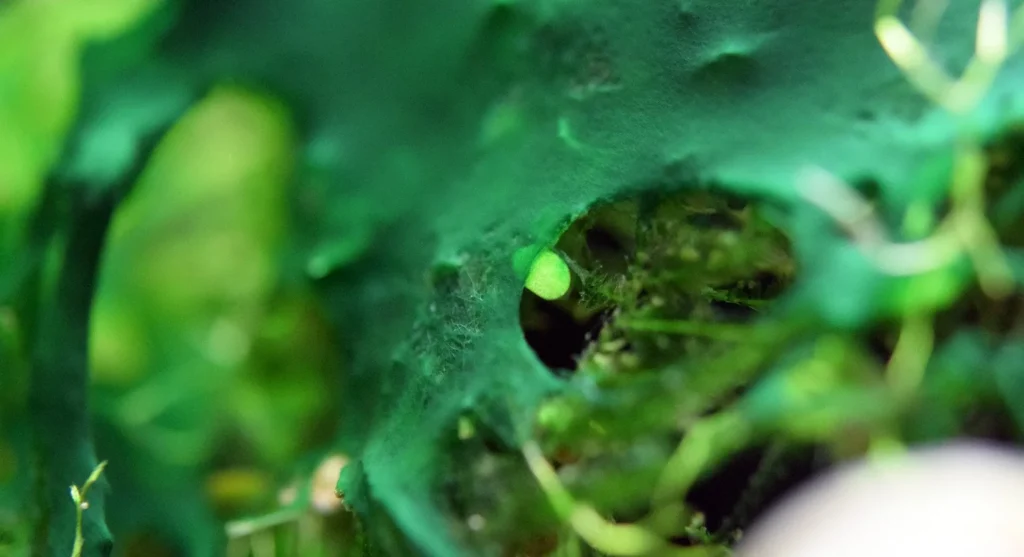
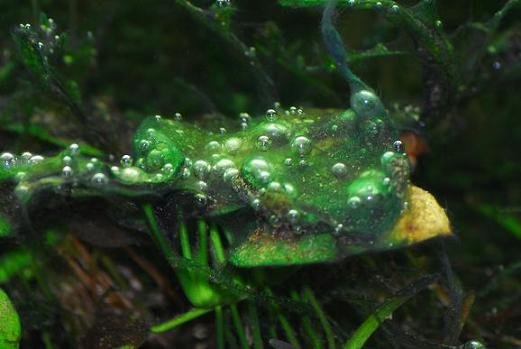
Few problems frustrate aquarists more than cyanobacteria. One week an aquarium looks healthy and balanced, and the next, dark green or blue-green sheets begin spreading across the substrate, plants, glass, and hardscape. It often appears suddenly, grows aggressively, traps bubbles beneath its slimy surface, and carries a very distinctive earthy or swamp-like smell that experienced aquarists recognize immediately.
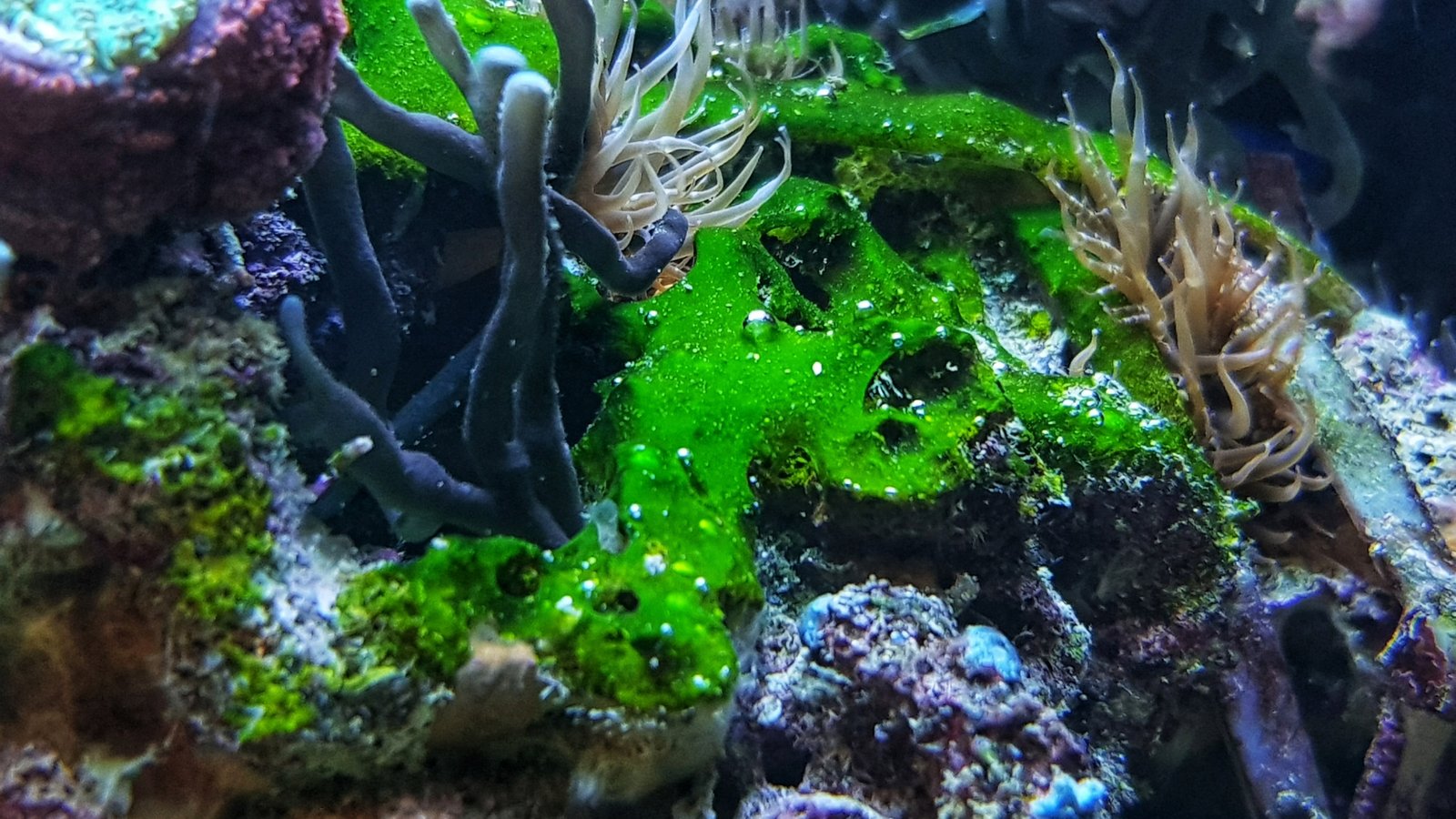
Despite being commonly called "blue-green algae," cyanobacteria is not actually algae at all. It is a photosynthetic bacteria — one of the oldest life forms on Earth — capable of adapting to a remarkably wide range of environmental conditions. Unlike many common algae species, cyanobacteria can thrive even in low-flow and low-light areas, making it particularly difficult to control once established.
In freshwater aquariums, cyanobacteria usually appears as a soft, slimy coating that peels away in sheets. It may begin along the substrate line near the glass, under hardscape shadows, or in areas where circulation is weak. Over time, it can smother carpeting plants, block light from reaching leaves, and destabilize the overall biological balance of the aquarium.
What makes cyanobacteria especially deceptive is that many aquariums affected by it appear "clean" at first glance. Water may still look crystal clear, and standard test kits can sometimes show acceptable nutrient values. Yet underneath the surface, excess dissolved organics, inconsistent maintenance, poor oxygenation, unstable biological filtration, or nutrient imbalance gradually create ideal conditions for cyanobacteria to dominate.
Why Cyanobacteria Appears in Aquariums
There is no single universal cause. In most cases, cyanobacteria develops when several smaller imbalances combine over time.
One of the most common triggers is accumulated organic waste. Uneaten food, fish waste, dying plant material, clogged filter media, and decaying detritus continuously release ammonia and dissolved organics into the water column. Even small amounts can encourage cyanobacteria growth, particularly in heavily stocked or under-maintained systems.
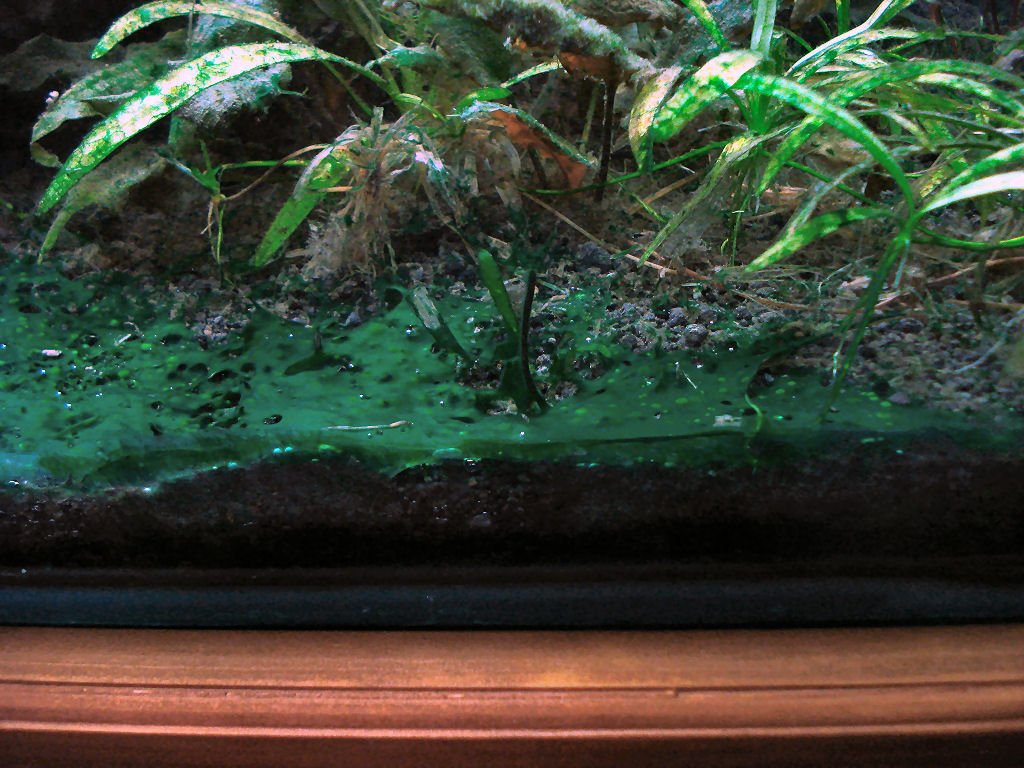
Poor circulation is another major factor. Cyanobacteria tends to colonize stagnant zones where oxygen exchange is limited and detritus settles easily. These areas often include corners behind hardscape, substrate surfaces with minimal flow, dense plant clusters, and regions beneath driftwood or rock structures.
In planted aquariums, unstable CO₂ levels can also contribute significantly. Healthy aquatic plants rely on stable carbon availability to outcompete opportunistic organisms. When CO₂ fluctuates heavily, plant growth slows while cyanobacteria continues spreading without much resistance.
Excess lighting duration or overly intense lighting may worsen the situation further, especially when nutrient uptake by plants is limited. Cyanobacteria can utilize parts of the light spectrum that higher plants cannot efficiently use, giving it a competitive advantage in certain conditions.
Many aquarists also experience cyanobacteria during the early stages of aquarium maturation. Newly established biological systems are naturally unstable, and beneficial bacterial colonies may not yet be strong enough to process waste efficiently.
How to Identify Cyanobacteria Correctly
Correct identification matters because cyanobacteria behaves very differently from common green algae.
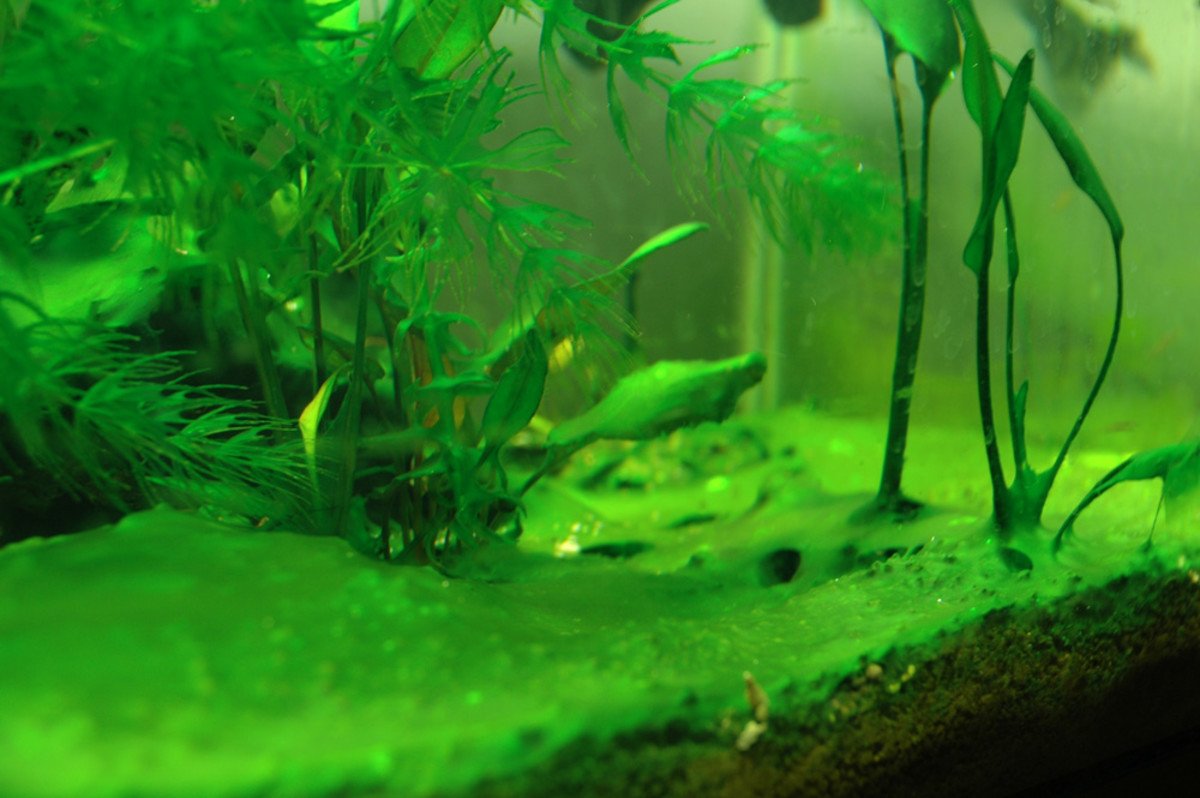
Typical signs include:
- Dark green, blue-green, blackish, or even reddish slimy sheets
- A strong earthy or swamp-like odor
- Rapid spreading over substrate and plants
- Easy removal in large soft layers
- Oxygen bubbles trapped beneath the surface coating
- Preference for low-flow areas
Unlike green spot algae or hair algae, cyanobacteria rarely feels rough or fibrous. Instead, it has a gelatinous texture that often lifts away almost effortlessly.
⚠ Important: Easy manual removal does not mean the problem is solved. If the underlying imbalance remains unchanged, cyanobacteria usually returns within days.
Why Simply "Killing It" Often Fails
Many aquarists focus only on removing visible cyanobacteria without correcting the environmental conditions that caused it in the first place. This is why short-term fixes frequently fail.
Blackouts may temporarily weaken cyanobacteria, but if organic waste accumulation, unstable filtration, or dead flow zones remain, the outbreak usually returns. Similarly, chemical treatments may suppress visible growth while underlying biological instability continues unnoticed.
Long-term success comes from restoring overall aquarium stability rather than relying solely on aggressive treatment.
The Correct Approach to Eliminating Cyanobacteria
The first step is always physical removal. During water changes, manually siphon out as much cyanobacteria as possible. Removing the bulk of the biomass prevents further decomposition and reduces nutrient recycling back into the water column.
At the same time, improving flow distribution throughout the aquarium is essential. Areas where debris settles continuously should receive better circulation and oxygenation.
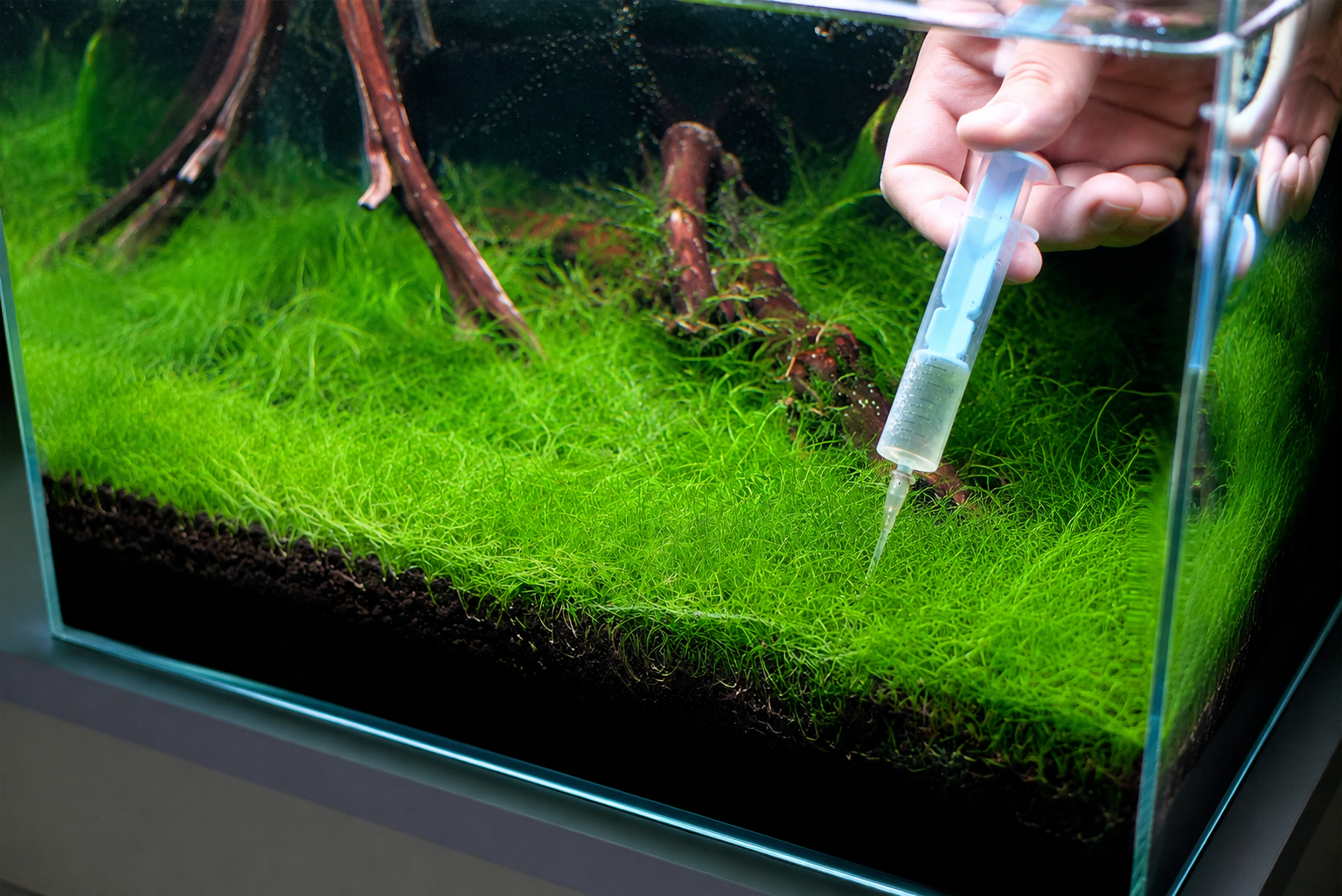
Large, consistent water changes are equally important. Many experienced aquascapers perform repeated 40–50% water changes during severe outbreaks to dilute dissolved organics and improve overall water quality.
Filter maintenance should also be reviewed carefully. Dirty mechanical media, clogged sponges, or neglected filter chambers often become nutrient traps that continuously fuel cyanobacteria growth.
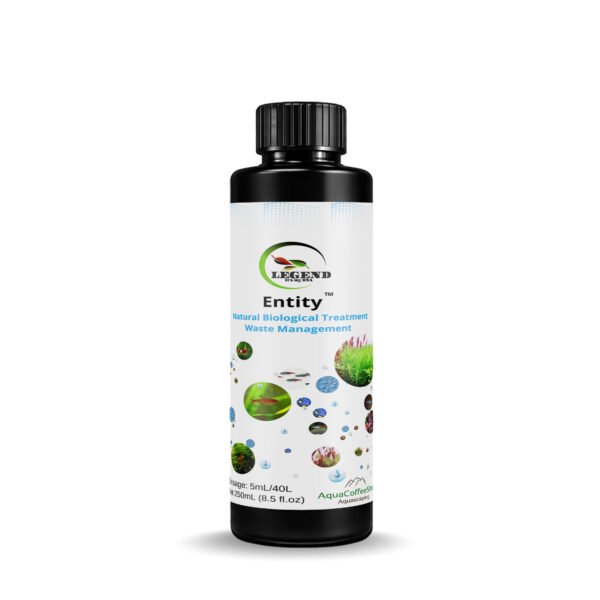
A healthy biological system remains one of the strongest defenses against recurring outbreaks. Strengthening beneficial bacterial populations helps stabilize nutrient processing and reduce excess organic accumulation before cyanobacteria can exploit it.
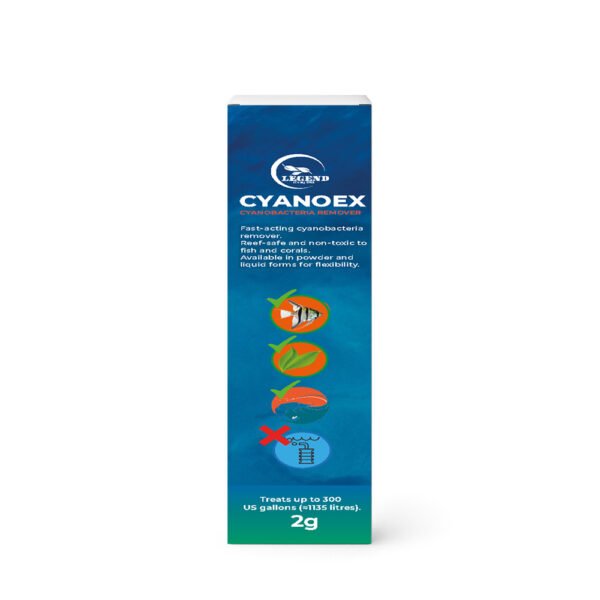
Treatment Solutions for Cyanobacteria

Prevention Is Always Easier Than Treatment
Once an aquarium becomes biologically stable, cyanobacteria outbreaks become far less likely.
Consistent maintenance remains the single most important factor. Stable aquariums rarely appear by accident — they are the result of predictable routines, controlled feeding, proper filtration, balanced nutrient management, and regular observation.
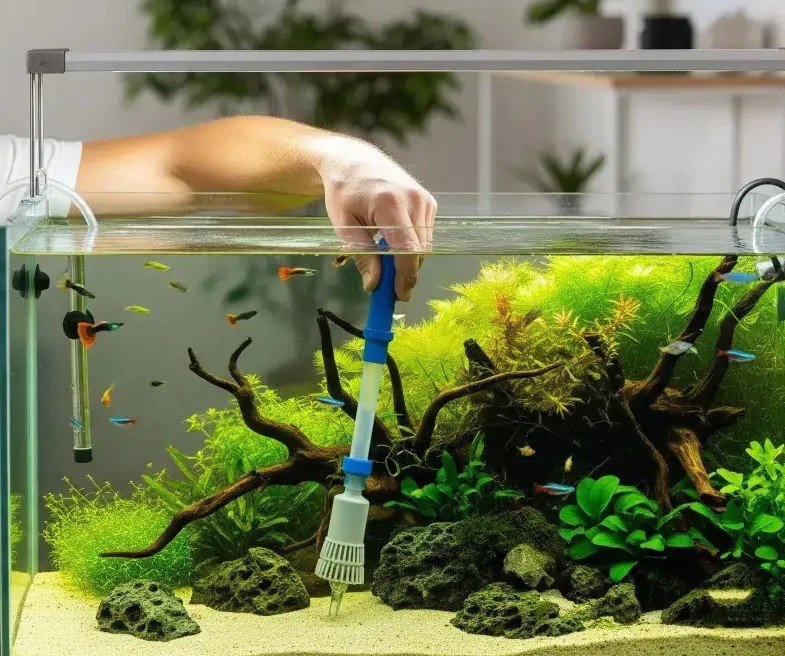
Healthy plant growth also plays a critical role. Strong, actively growing plants compete aggressively for nutrients and help reduce the opportunities available for opportunistic organisms like cyanobacteria.
In planted aquariums, maintaining proper nutrient balance is often more important than aggressively reducing nutrients altogether. Excessive nutrient stripping can weaken plants and unintentionally favor cyanobacteria instead.
Maintain Biological Stability
Final Thoughts
Cyanobacteria is rarely just a "surface problem." It is usually a biological warning sign that something deeper within the aquarium ecosystem has become unstable.
The good news is that cyanobacteria can almost always be controlled successfully once the real causes are addressed. Stable maintenance, proper circulation, controlled organic waste, healthy biological filtration, and strong plant growth remain the foundation of long-term prevention.
Rather than viewing cyanobacteria as a simple nuisance, experienced aquarists often treat it as an indicator — a signal that the aquarium's balance needs adjustment before larger problems begin to develop.
With patience, consistency, and the right long-term approach, even severe outbreaks can be reversed while restoring the aquarium to a healthier and far more stable condition.
Related Product
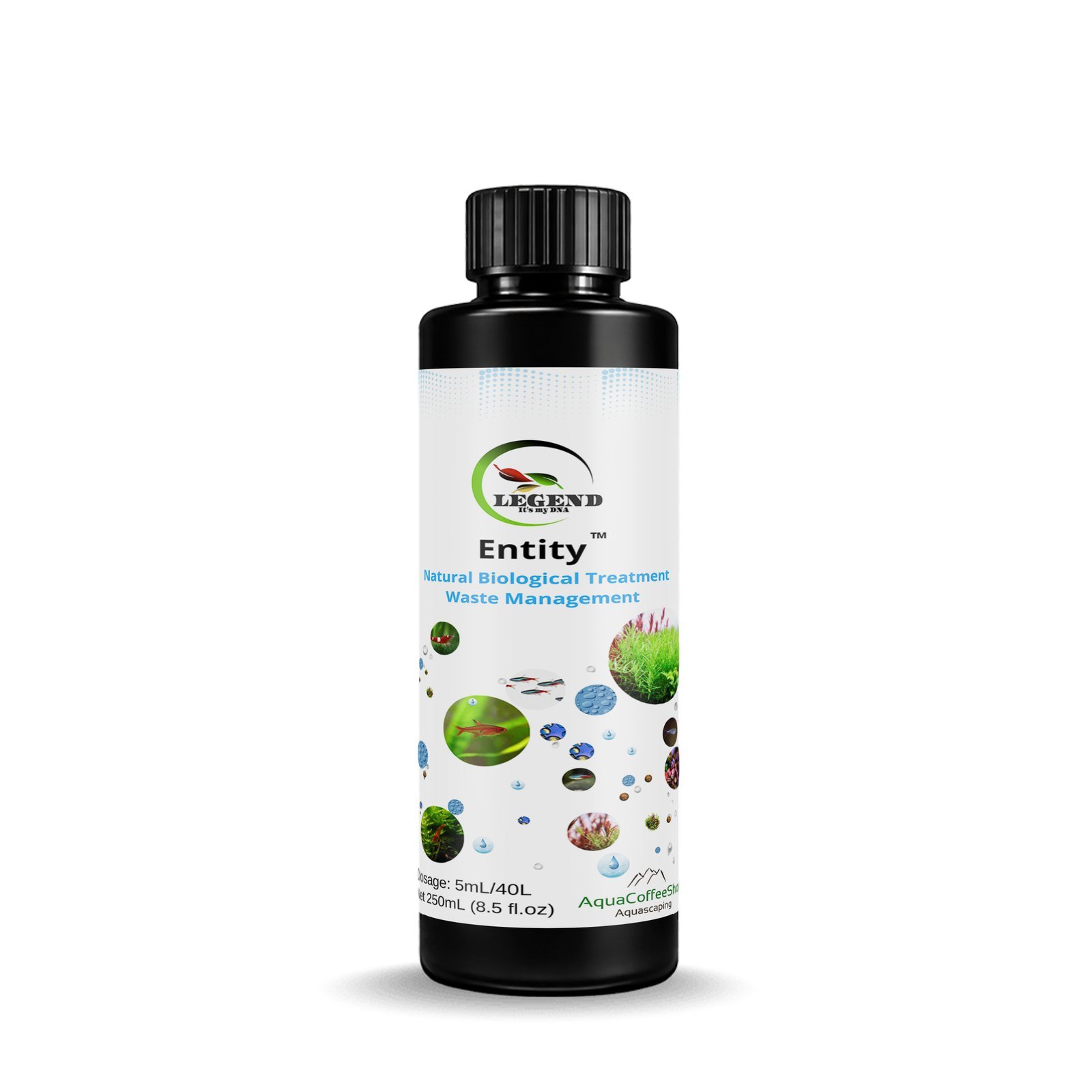
Entity™
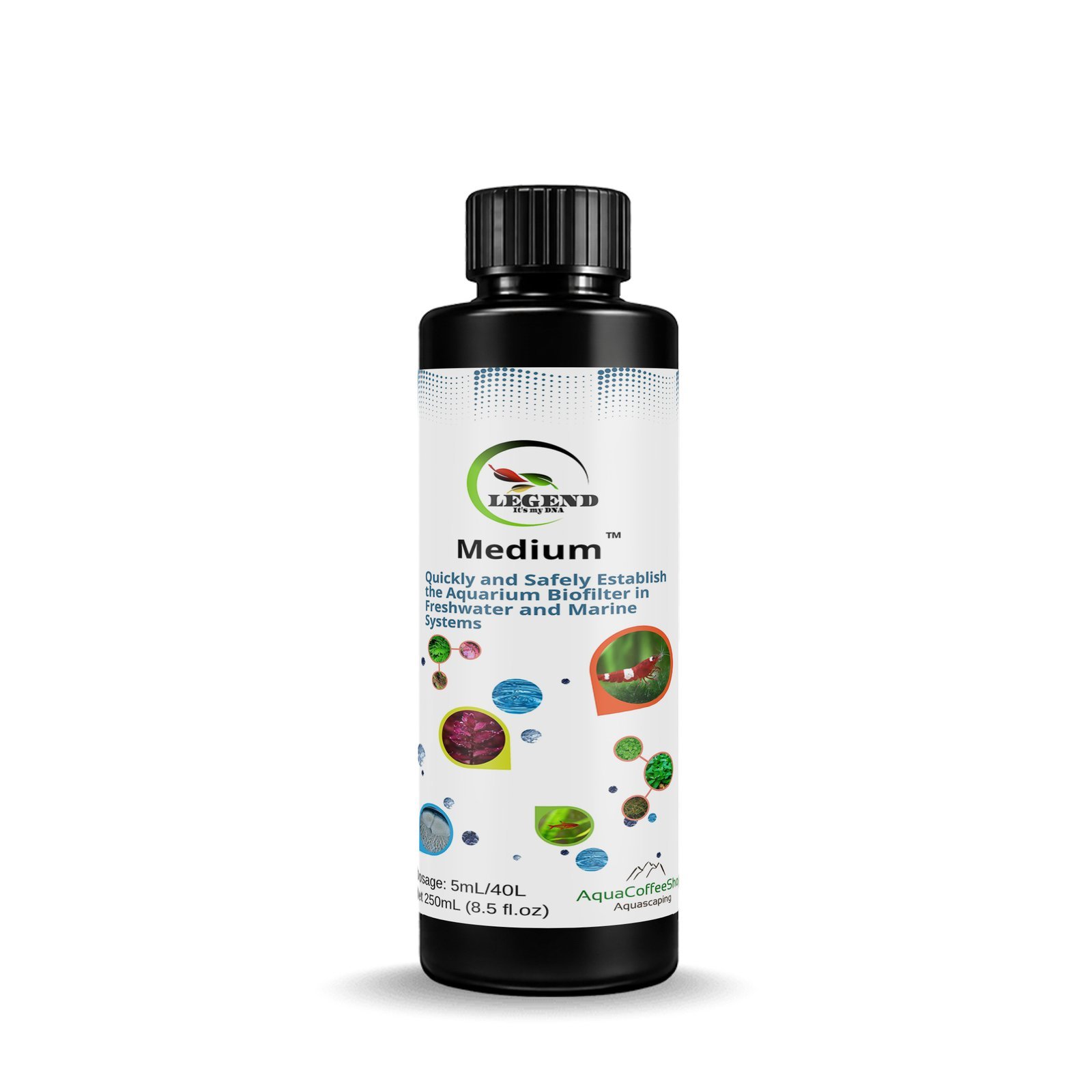
Medium™
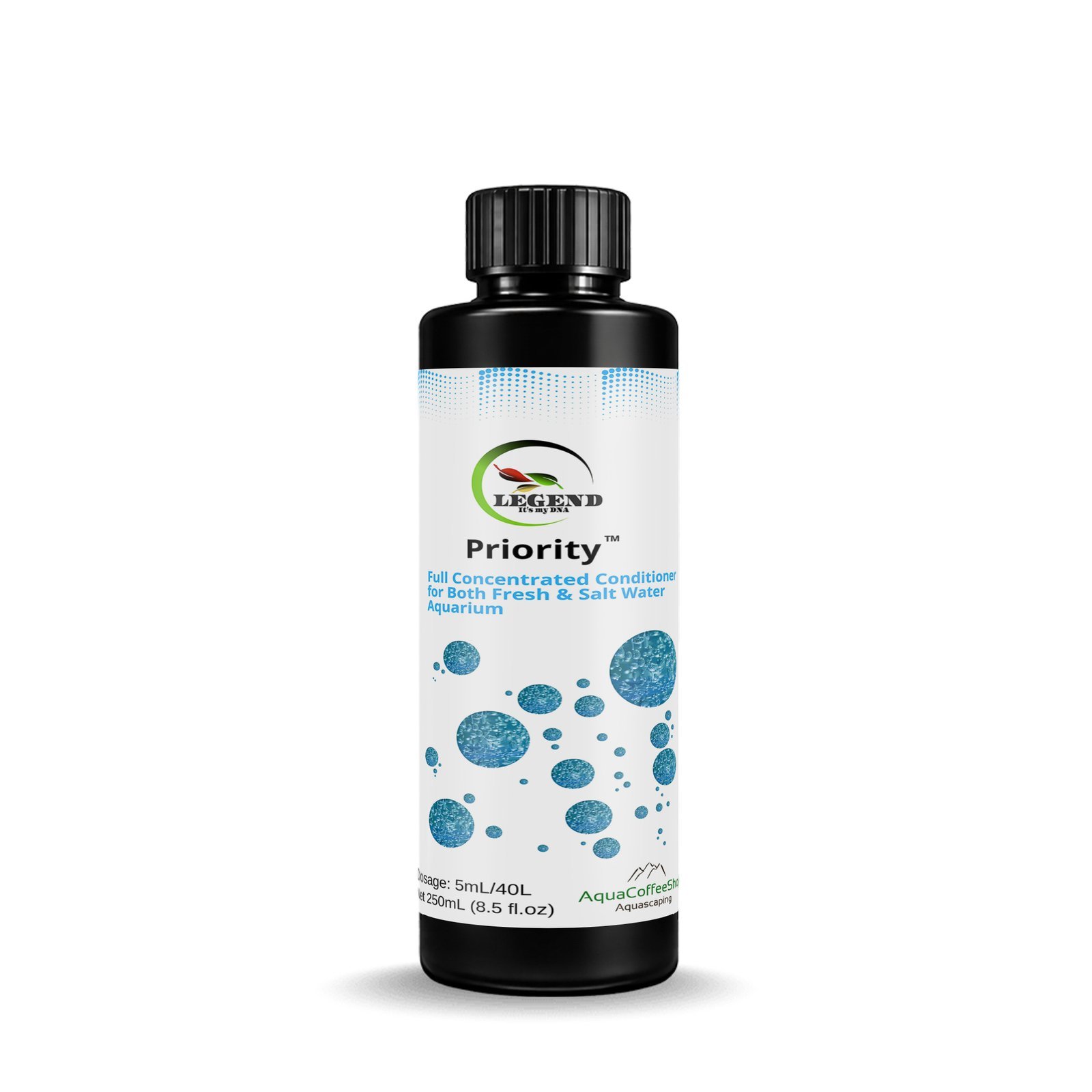
Prority™
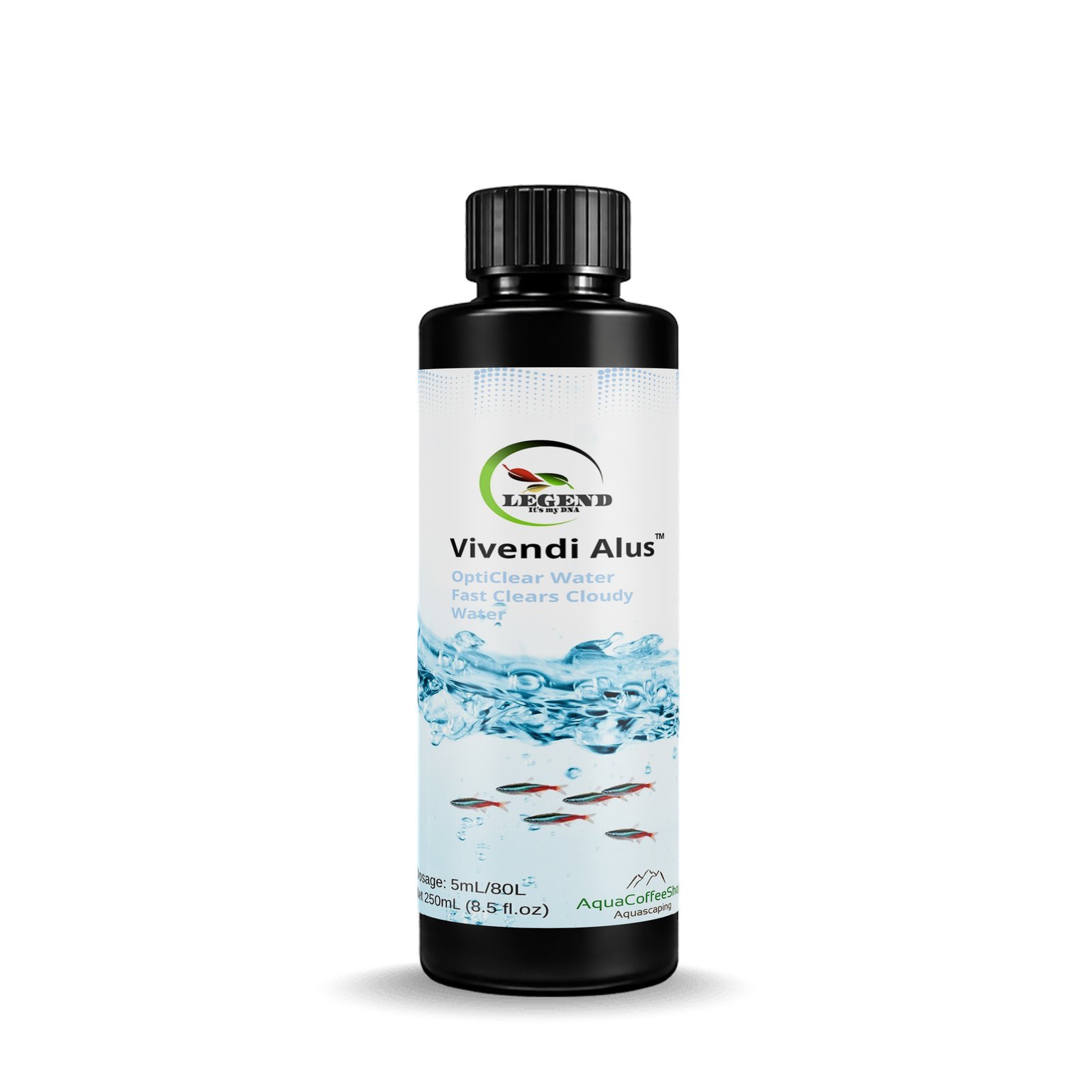
Vivendi Alus™