
Plant scientists have long observed that well-nourished plants resist disease better than poorly fed ones. Micronutrients play a special part in this. They are needed only in small amounts, but many of them are directly involved in the chemical defences plants use against fungi, bacteria and other pathogens. Here is what research has shown about the most important ones.
Boron
Boron strengthens cell walls and keeps membranes stable. Sturdy cell walls are harder for pathogens to penetrate, and boron also influences the production of protective compounds. Plants short of boron tend to leak sugars from their cells, which feeds microorganisms on the leaf surface.
Zinc
Zinc is part of enzymes that neutralise harmful oxygen radicals, which build up when a plant is under attack. Deficient plants have weaker membranes and are more susceptible to infection. Read more in our article on zinc and its role in plant life.
Copper
Copper is involved in producing lignin, which reinforces cell walls, and in enzymes that help the plant respond to stress. It has been used in agriculture as a protective treatment for a long time. In aquariums, however, copper must stay at trace levels, because it is highly toxic to shrimp and snails.
Manganese
Manganese activates enzymes that build lignin and other defensive compounds, and it is needed for photosynthesis. Adequate manganese has been linked to better resistance against several root and leaf diseases.
Iron
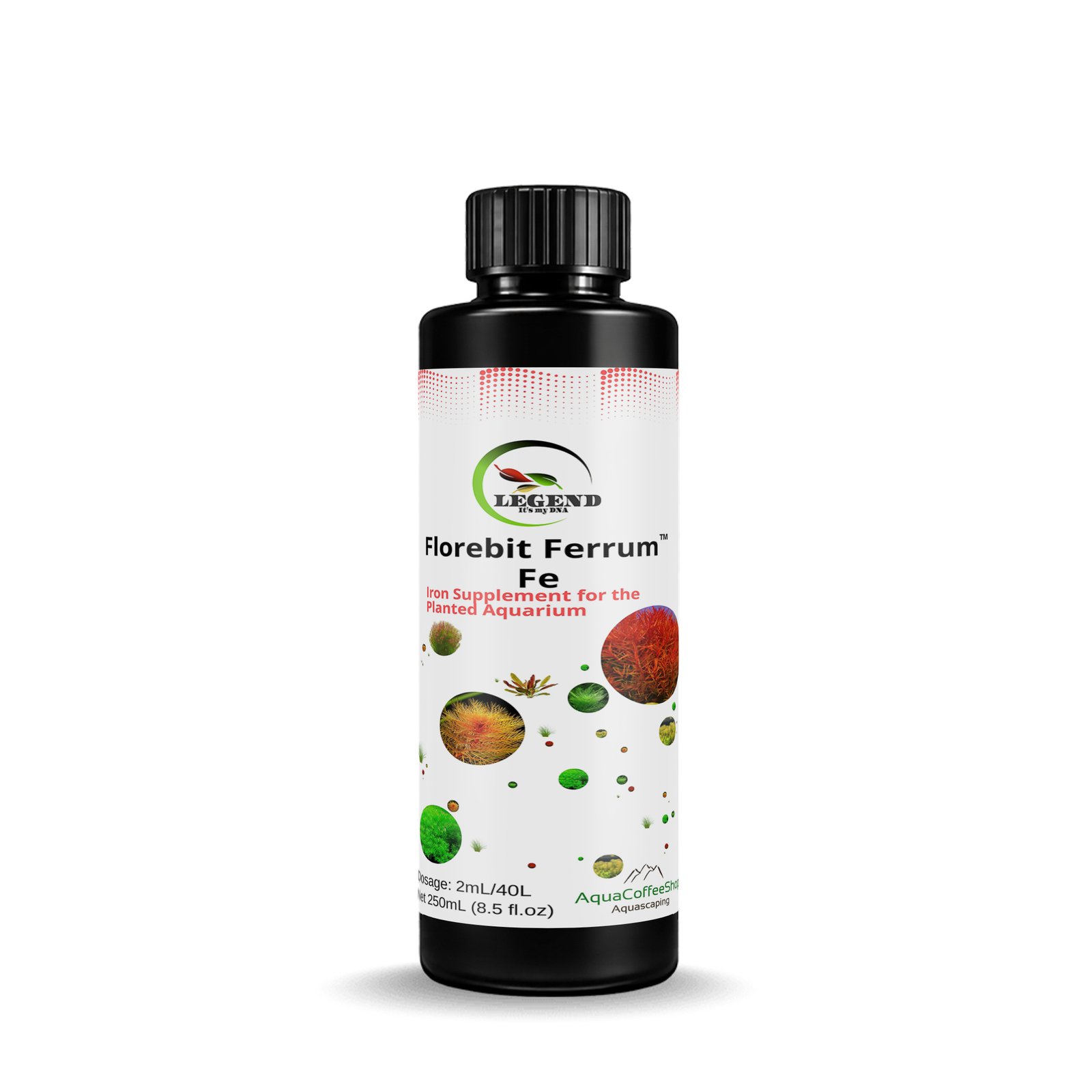
Iron is essential for chlorophyll and for enzymes in the plant’s defence system. Its role is double-edged: plants need it, but so do many pathogens, and plants partly defend themselves by limiting the iron available to invaders. Balanced, regular dosing, for example with LGND Florebit Ferrum Fe, keeps plants supplied without excess.
Silicon
Silicon is not classed as essential for all plants, but many species deposit it in their tissues, where it forms a physical barrier against pathogens and pests and helps trigger defence responses.
Conclusion
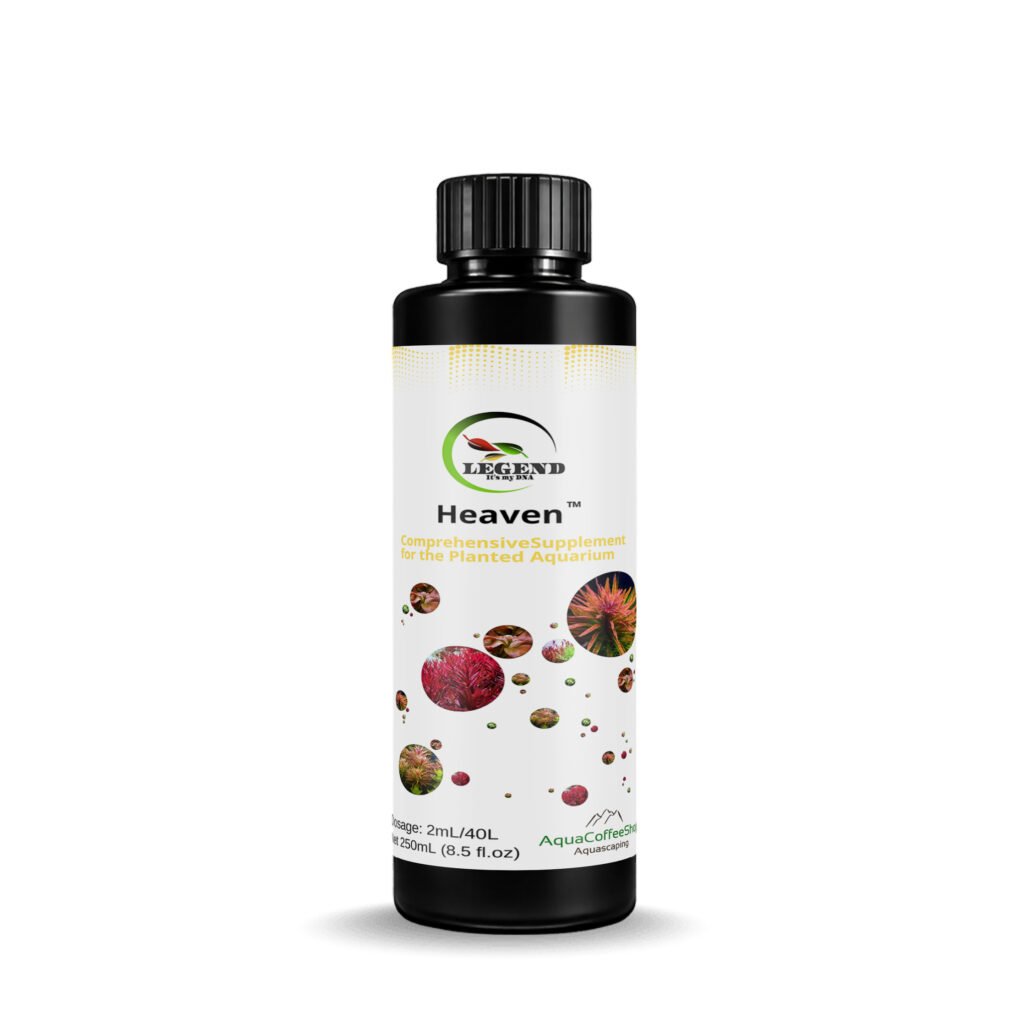
Micronutrients do not replace good hygiene and stable conditions, but they give plants the tools to defend themselves. The key is balance: too little leaves plants vulnerable, while too much can be toxic to plants and livestock. A complete trace element supplement such as LGND Heaven, dosed in small regular amounts, is the most reliable way to keep all of them in range.