
Overview
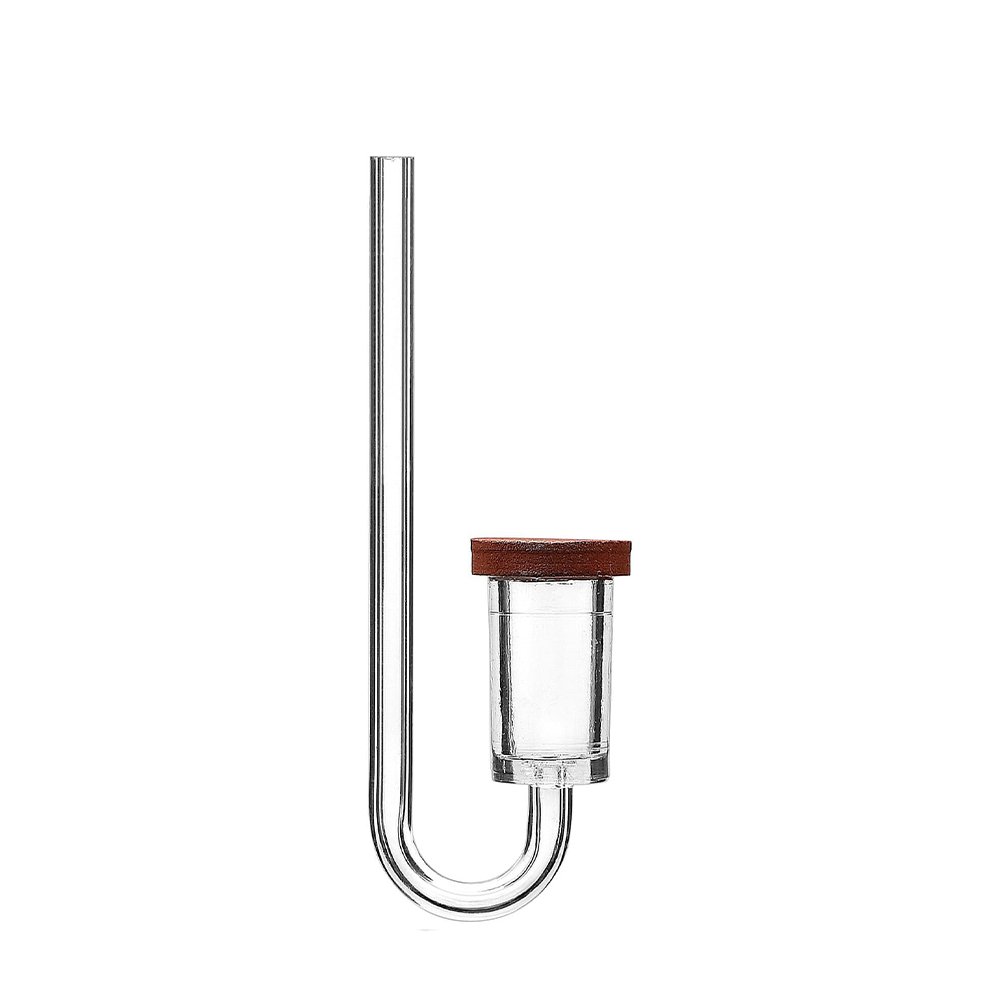
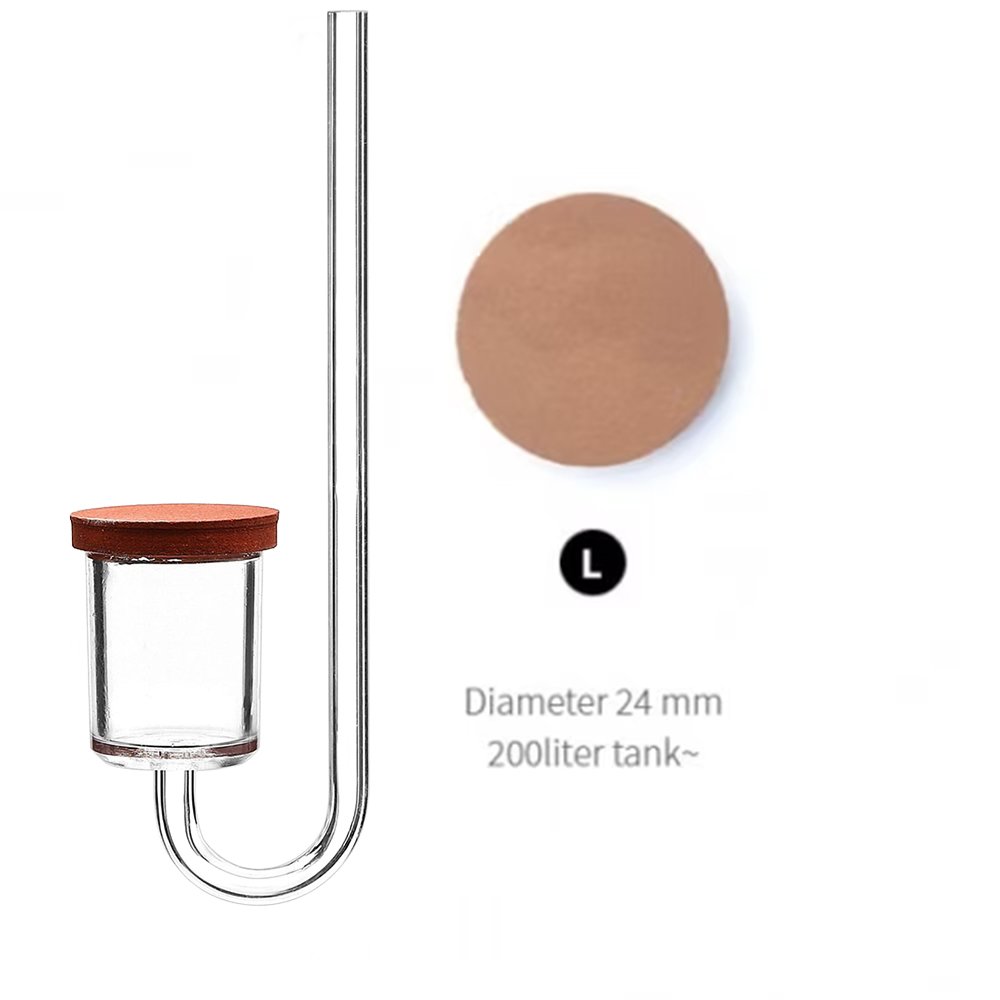
Legend CO2onnect™ Diffuser is a compact all-in-one CO2 diffusion system that combines ultra-fine CO2 atomization with an integrated bubble counter in a single elegant unit. Designed specifically for planted aquariums and aquascaping systems, CO2onnect™ provides efficient carbon dioxide delivery while minimizing the amount of equipment visible inside the aquarium.
At the heart of the diffuser is a precision ceramic membrane engineered to produce an exceptionally fine mist of microscopic CO2 bubbles. The smaller the bubble size, the greater the surface area available for gas exchange, allowing carbon dioxide to dissolve more rapidly into the water and become available to aquatic plants. This improved dissolution efficiency helps maximize plant growth while reducing unnecessary CO2 waste.
The integrated bubble counter allows aquarists to monitor CO2 injection directly at the diffuser itself, eliminating the need for a separate external bubble counter. This streamlined design reduces clutter, simplifies installation, and provides a cleaner appearance within the aquarium.
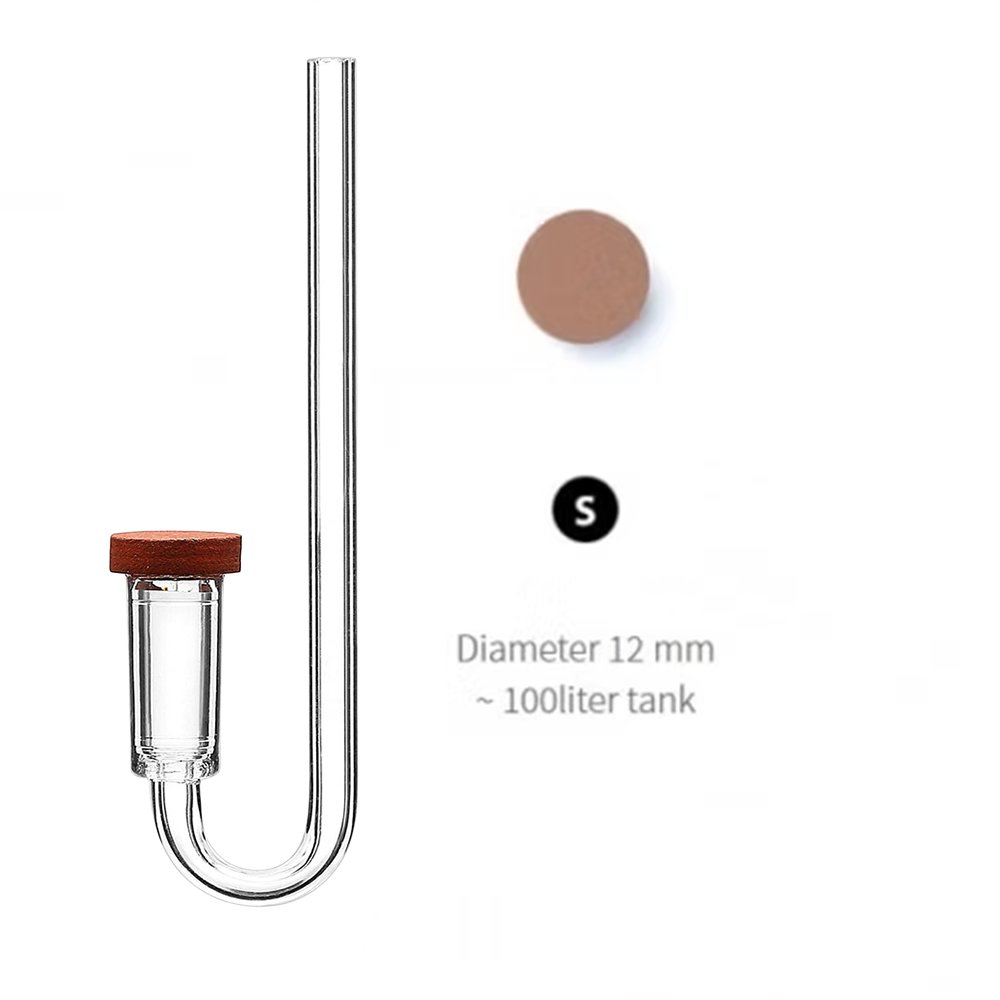
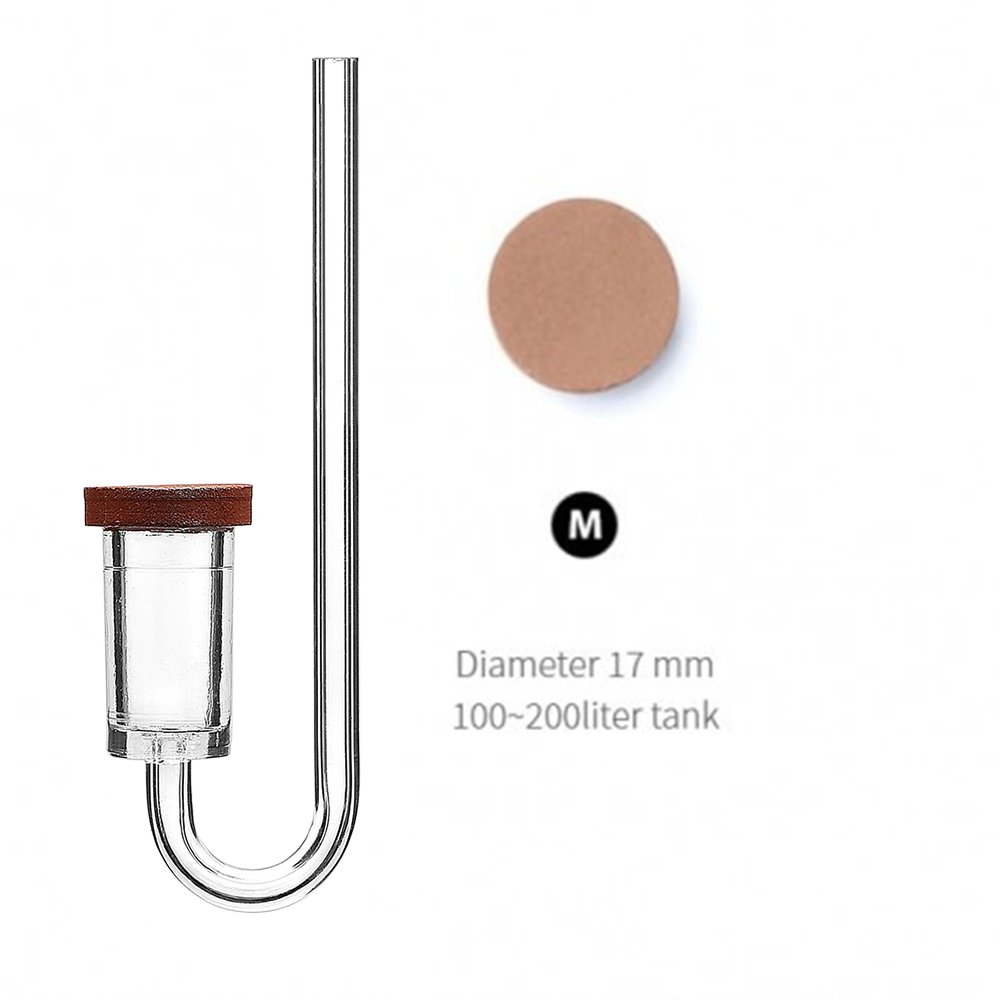
Manufactured from durable crystal-clear acrylic, CO2onnect™ combines visual elegance with improved resistance to accidental impacts. Available in multiple sizes, CO2onnect™ can be matched to aquarium volume to provide efficient and consistent carbon dioxide delivery across a wide range of planted aquarium applications.
Directions
Position the diffuser inside the aquarium in an area with moderate water circulation to ensure efficient distribution of dissolved carbon dioxide throughout the aquarium. Secure the diffuser using the supplied mounting system and connect standard 4/6 mm CO2 tubing to the inlet connection.
Before first use, completely immerse the diffuser in aquarium water for approximately ten minutes. This allows trapped air inside the ceramic membrane and bubble counter chamber to be displaced by water. Proper saturation of the ceramic membrane is essential for achieving optimal microbubble production.
After installation, gradually introduce CO2 pressure through the regulator. Initially, larger bubbles may appear if residual air remains within the ceramic membrane. As the membrane becomes fully saturated, bubble size will decrease and the diffuser will begin producing a dense cloud of ultra-fine CO2 mist.
When the lower chamber is completely filled with water, the integrated bubble counter can be used to monitor CO2 delivery directly within the diffuser. Adjust CO2 levels gradually and monitor aquarium livestock carefully to maintain safe operating conditions.
Technical Specifications
Cleaning
Over time, algae growth, biofilm accumulation, and mineral deposits may reduce diffusion efficiency and cause larger bubbles to form. When this occurs, cleaning should be performed to restore optimal performance.
Prepare a cleaning solution consisting of equal parts unscented household chlorine bleach and water. Fully immerse the diffuser so that all acrylic surfaces and the ceramic membrane are completely covered. Allow the diffuser to soak for approximately thirty minutes to one hour depending on the severity of contamination.
After soaking, remove the diffuser and rinse thoroughly with clean water. Ensure that all traces of chlorine have been removed before reinstalling the diffuser in the aquarium. When properly maintained, the acrylic body will retain its clarity and the ceramic membrane will continue producing fine CO2 microbubbles for extended periods.
FAQ
What is the benefit of an integrated bubble counter?
The integrated bubble counter allows CO2 flow to be monitored directly at the diffuser. This reduces the need for additional equipment and simplifies installation while maintaining a cleaner aquarium appearance.
Why should the diffuser be soaked before use?
Soaking allows water to replace trapped air inside the ceramic membrane and bubble counter chamber. This helps achieve uniform microbubble production and improves overall diffusion efficiency.
Why are larger bubbles visible when the diffuser is first installed?
Residual air inside the ceramic membrane can temporarily cause larger bubbles to form. This is normal and typically disappears once the membrane becomes fully saturated with water.
How does the ceramic membrane improve CO2 efficiency?
The ceramic membrane breaks carbon dioxide into thousands of microscopic bubbles. These smaller bubbles provide greater surface area for dissolution, allowing more CO2 to enter the water before reaching the surface.
Is CO2onnect suitable for nano aquariums?
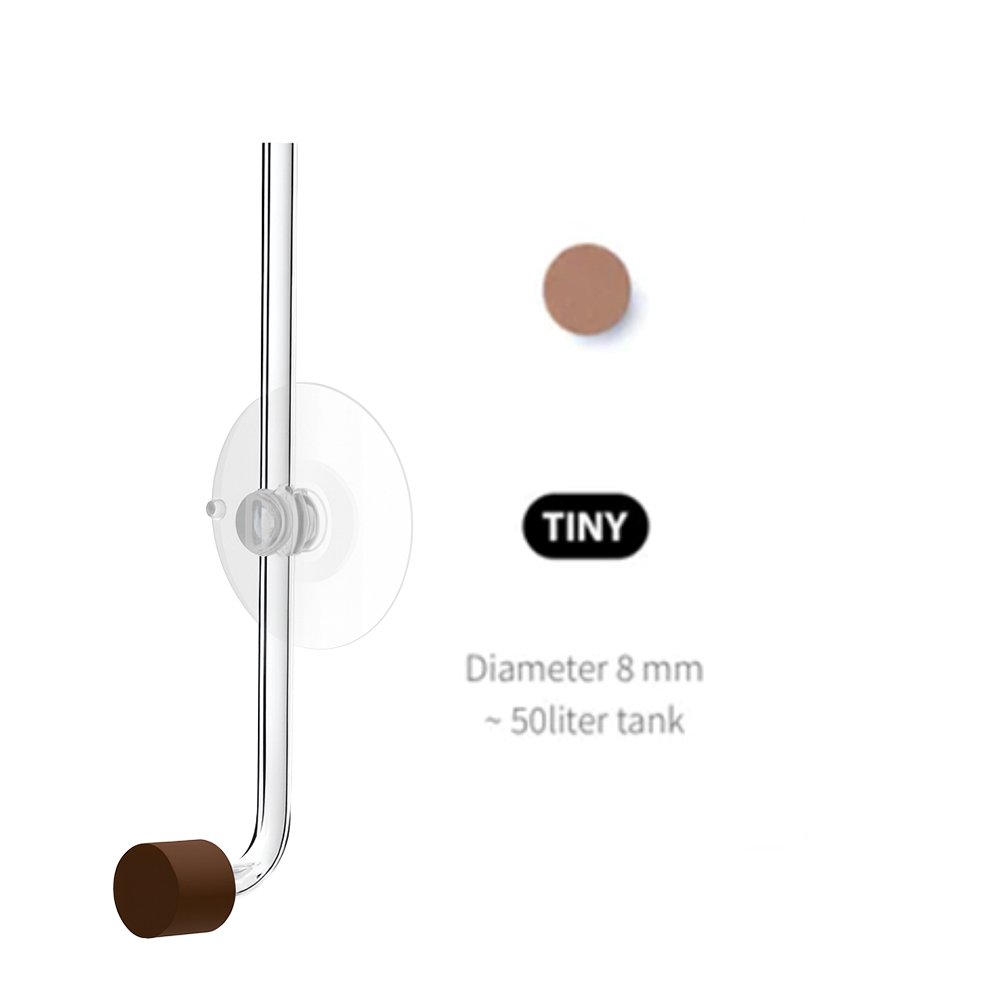
Yes. The compact design was specifically developed for smaller planted aquariums while larger models are available for medium and large aquarium systems.
Can the diffuser be used with biological CO2 systems?
Performance depends on the pressure produced by the system. Pressurized CO2 systems generally provide the most consistent and efficient operation.
Safety
For aquarium use only. Keep out of reach of children. Handle the diffuser carefully during installation, maintenance, and cleaning. Although acrylic is more impact resistant than traditional glass, excessive force may damage the diffuser body or ceramic membrane.
Monitor fish, shrimp, and other aquarium inhabitants whenever CO2 levels are adjusted. Excessive carbon dioxide concentrations may cause respiratory distress and should always be avoided. Increase CO2 levels gradually and maintain adequate circulation throughout the aquarium.
Only use the diffuser with compatible aquarium CO2 equipment and standard 4/6 mm tubing. When cleaning the diffuser, never mix chlorine bleach with vinegar or any acidic cleaning products — mixing chlorine-based products with acids may release highly toxic gases. Always rinse the diffuser thoroughly after cleaning before returning it to the aquarium.