
Overview
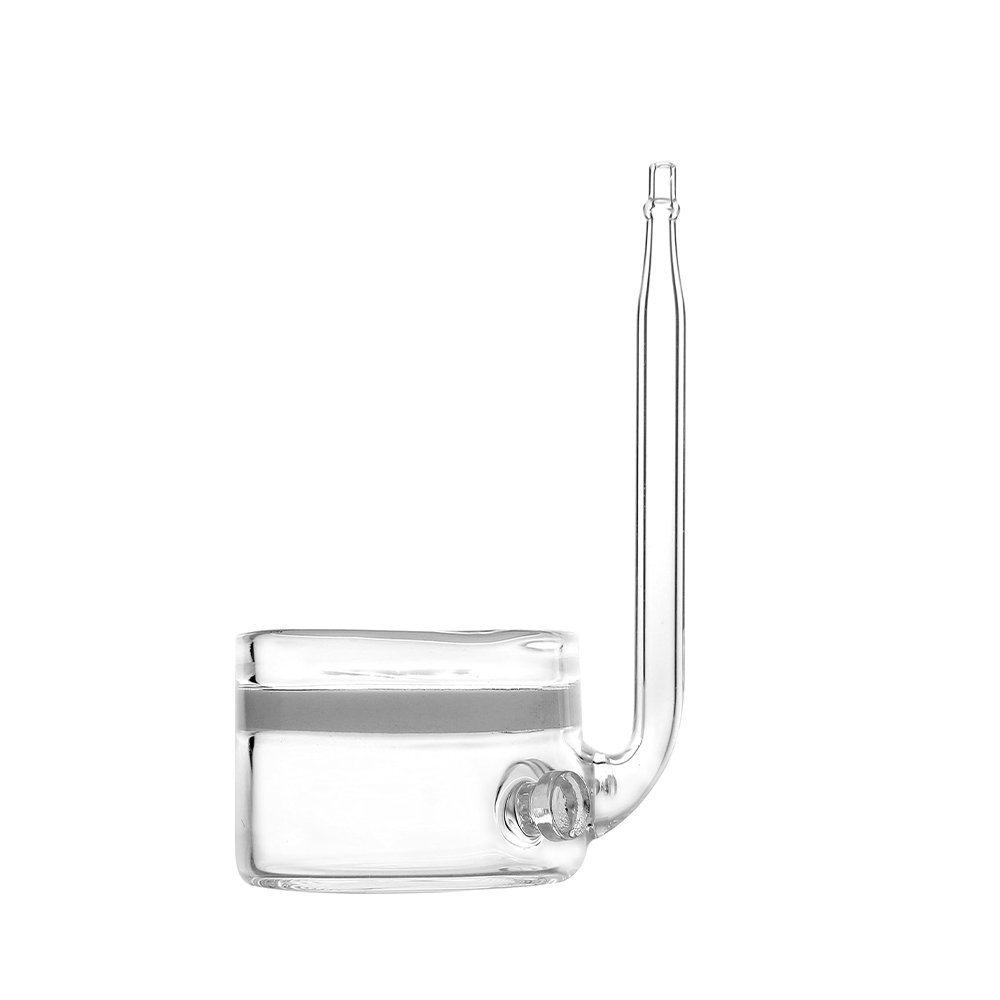
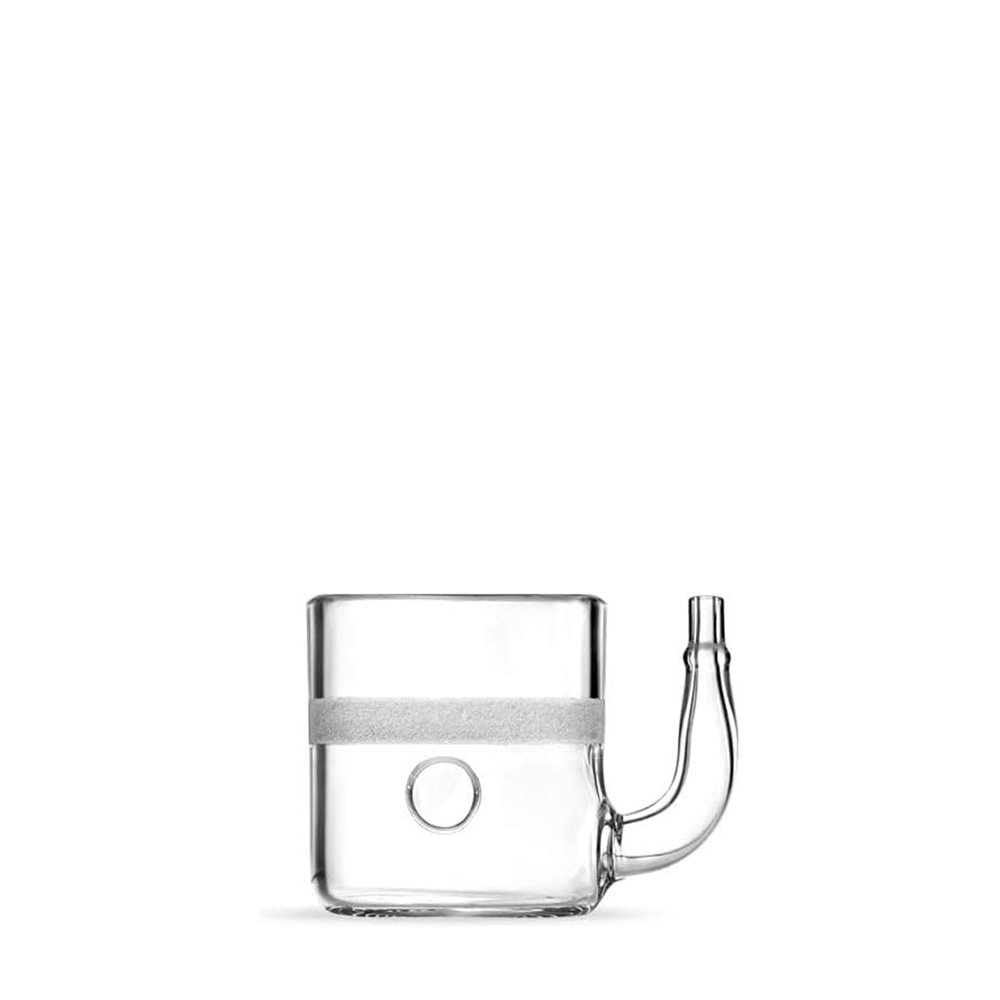
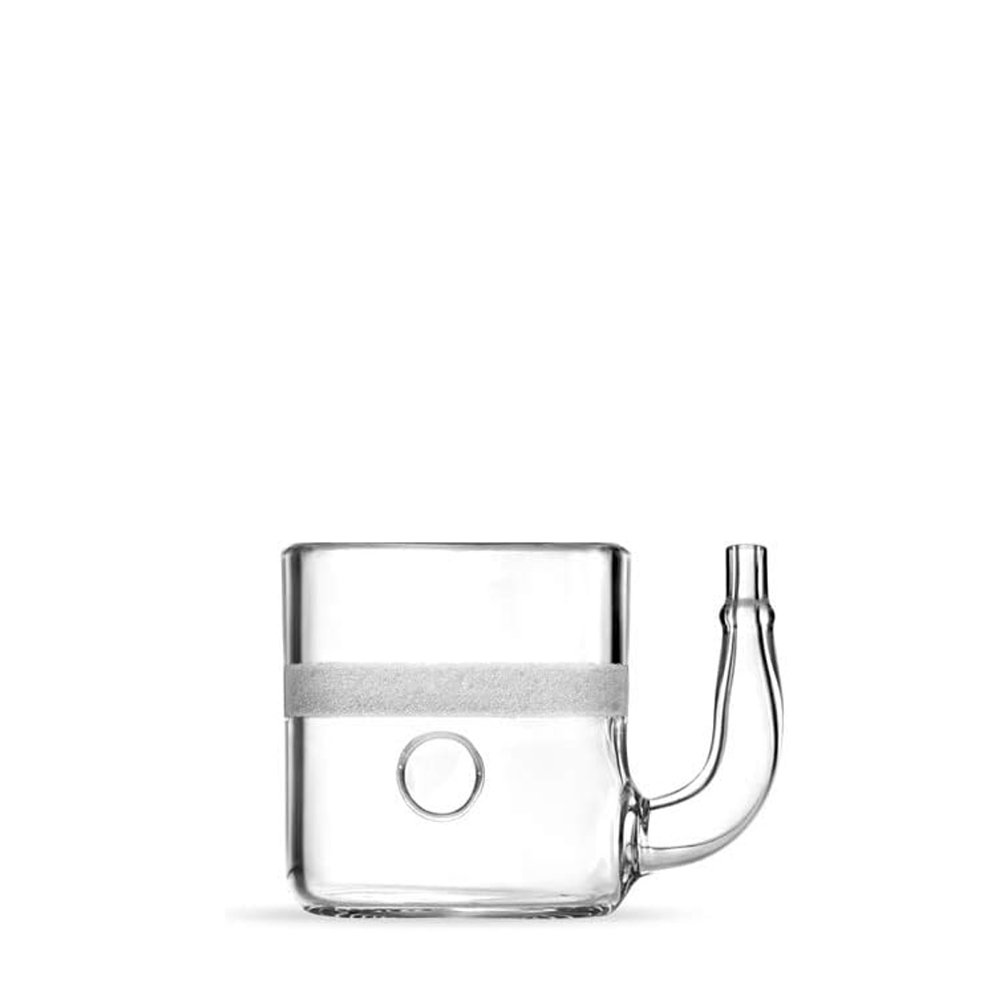
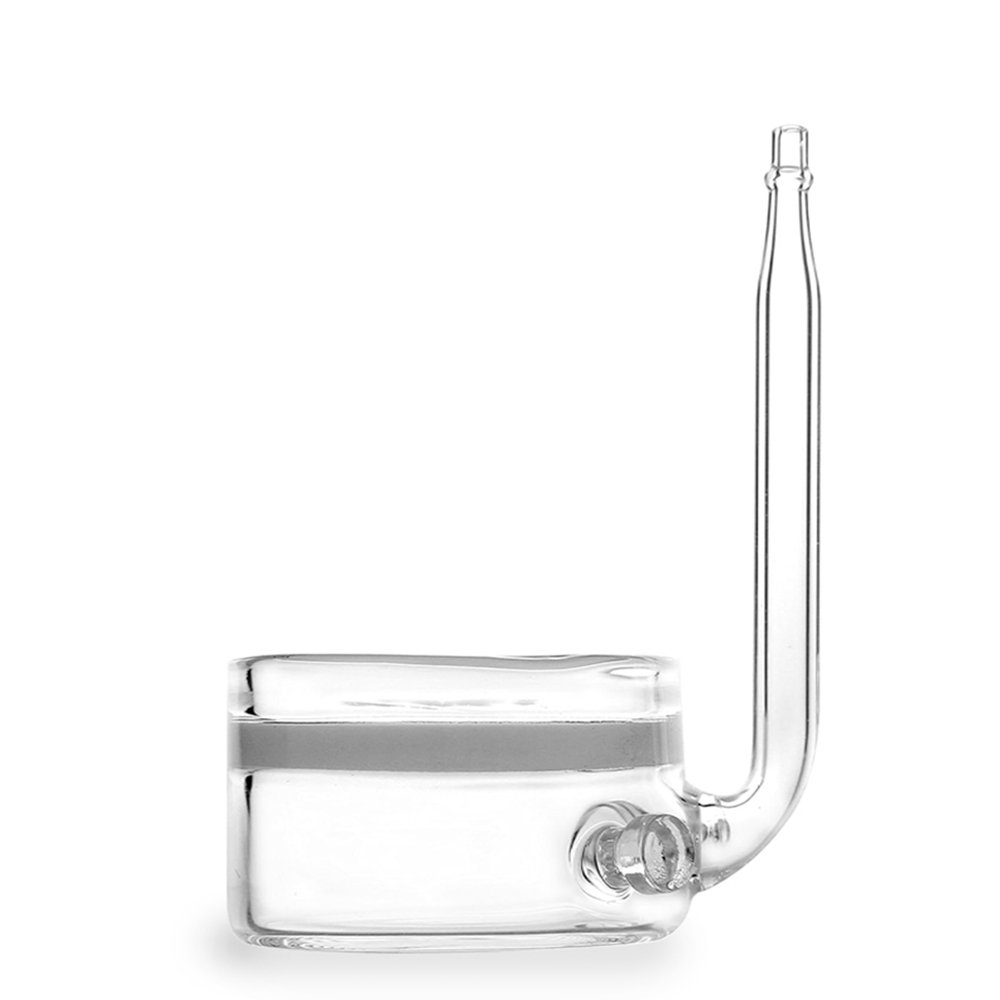
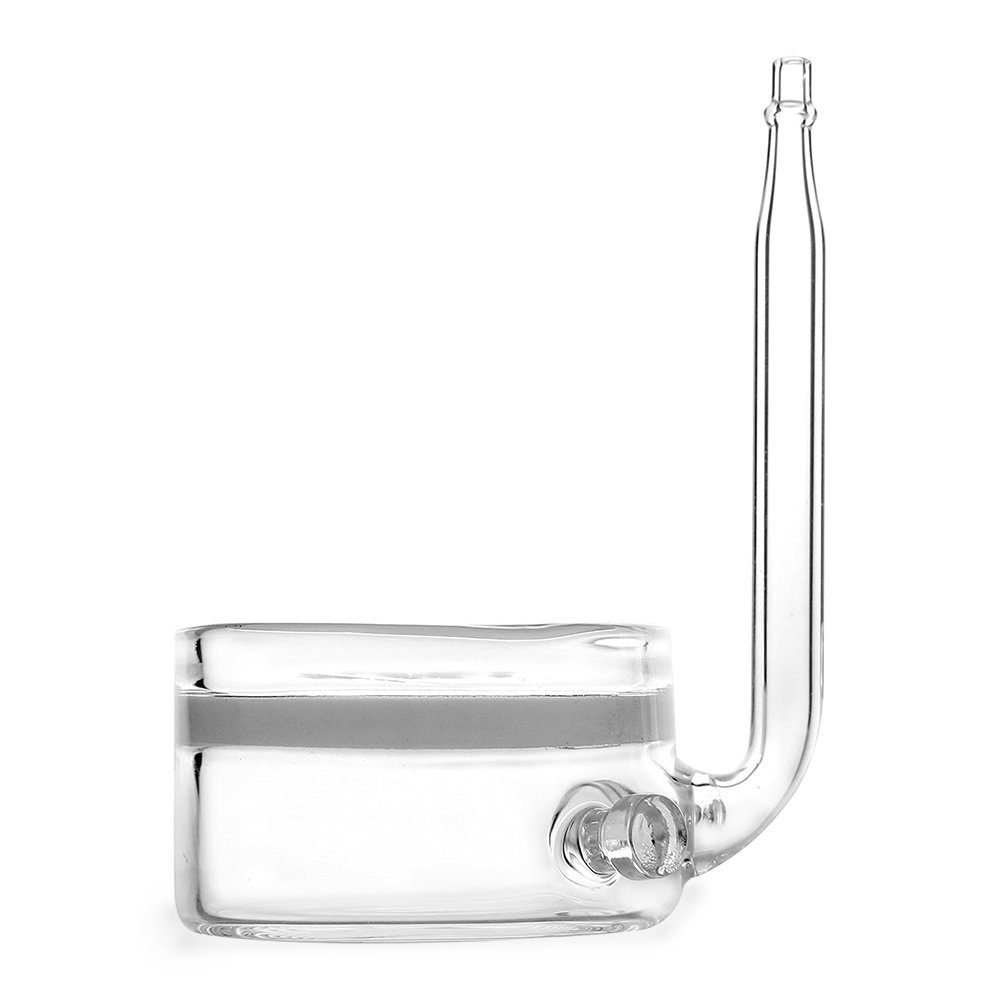
Legend Rhapsody™ Glass CO2 Diffuser is a handcrafted glass CO2 atomizer designed to provide efficient carbon dioxide diffusion while maintaining the clean, minimalist appearance expected in modern planted aquariums and aquascapes. Utilizing a precision ceramic membrane, Rhapsody™ transforms pressurized carbon dioxide into a dense cloud of ultra-fine microbubbles that dissolve rapidly into the aquarium water, maximizing CO2 availability for aquatic plants.
Healthy plant growth depends on a stable and efficient supply of carbon dioxide. The ceramic diffusion element used in Rhapsody™ produces extremely small bubbles with a high surface-area-to-volume ratio, allowing carbon dioxide to dissolve more effectively than larger conventional bubbles. This increased dissolution efficiency helps improve plant growth, coloration, photosynthetic activity, and overall aquarium stability while minimizing unnecessary CO2 waste.
Manufactured from high-quality laboratory-grade glass, Rhapsody™ blends seamlessly into the aquarium environment and remains visually unobtrusive. Each diffuser is individually handcrafted, resulting in a unique piece with slight dimensional variations that reflect traditional glassworking techniques. Combined with a premium ceramic membrane and included transparent suction cup, Rhapsody™ offers an elegant and highly effective solution for aquarists seeking reliable CO2 delivery without compromising aesthetics.
Directions
Install the diffuser inside the aquarium in an area with moderate water circulation to ensure efficient distribution of dissolved carbon dioxide throughout the aquarium. Secure the diffuser using the supplied transparent suction cup and position it low within the aquarium whenever possible to maximize contact time between CO2 bubbles and the surrounding water.
Connect the diffuser to the CO2 regulator using suitable 4/6 mm tubing. Soft CO2 tubing is recommended, as it reduces stress on the glass connection and minimizes the risk of accidental damage during installation.
Before operation, allow the ceramic membrane to soak in aquarium water for approximately two hours. This permits water to penetrate the microscopic pores of the ceramic membrane and improves diffusion performance during initial use.
Once connected, gradually increase CO2 pressure until a uniform mist of fine bubbles is produced across the ceramic surface. New ceramic membranes may initially generate larger bubbles; however, as the membrane becomes fully saturated, bubble size will decrease and diffusion efficiency will improve.
Monitor CO2 levels regularly and adjust injection rates gradually to achieve the desired concentration while maintaining safe conditions for fish and invertebrates.
Technical Specifications
Cleaning
Over time, algae growth, mineral deposits, and organic residues may accumulate on the ceramic membrane and reduce diffusion efficiency. Larger bubbles, uneven diffusion, or visible discoloration of the ceramic surface generally indicate that cleaning is required.
Prepare a cleaning solution consisting of equal parts household chlorine bleach and water. Fully immerse the diffuser so that the ceramic membrane and glass components are completely covered. Allow the diffuser to soak for one to four hours depending on the severity of contamination.
After soaking, rinse thoroughly with clean water until all traces of bleach have been removed. Once cleaned, the ceramic membrane will typically regain its original appearance and diffusion performance.
Always follow the bleach manufacturer's safety instructions and ensure all cleaning residues have been removed before returning the diffuser to service.
FAQ
Why are the bubbles larger when the diffuser is first installed?
New ceramic membranes require time for water to fully saturate the microscopic pores. During the initial conditioning period, larger bubbles may be visible. As the membrane becomes fully wetted, bubble size decreases and diffusion efficiency improves.
Why is a ceramic membrane used?
The porous ceramic membrane creates thousands of microscopic CO2 bubbles. These smaller bubbles dissolve more efficiently than larger bubbles, increasing carbon dioxide availability for aquatic plants.
Can Rhapsody™ be used with biological CO2 systems?
The diffuser may be used with biological CO2 systems if sufficient pressure is produced. Most ceramic diffusers require approximately 1 bar or greater to operate effectively.
Is the diffuser suitable for shrimp aquariums?
Yes. Rhapsody™ can be used safely in shrimp aquariums provided CO2 levels are monitored carefully and increased gradually.
Why does algae growth affect diffuser performance?
Algae and mineral deposits can block the microscopic pores of the ceramic membrane, reducing diffusion efficiency and causing larger bubbles to form. Regular cleaning helps maintain optimal performance.
How long does the ceramic membrane last?
With proper maintenance and cleaning, the ceramic membrane can provide reliable performance for many years under normal aquarium conditions.
Safety
For aquarium use only. Handle the diffuser carefully at all times. The product is manufactured from glass and may break if dropped, struck, subjected to excessive force, or exposed to sudden pressure changes. Particular care should be taken during installation, maintenance, cleaning, and removal of suction cups or tubing.
If breakage occurs, dispose of damaged glass safely in accordance with local regulations. Do not expose the diffuser to boiling water or sudden temperature changes, as thermal shock may cause cracking or breakage.
When operating a pressurized CO2 system, ensure all connections are secure before introducing gas pressure. Excessive CO2 concentrations may cause stress or respiratory difficulties in fish, shrimp, and other aquatic organisms. Always increase CO2 levels gradually and monitor aquarium inhabitants closely. Keep out of reach of children.