
Overview
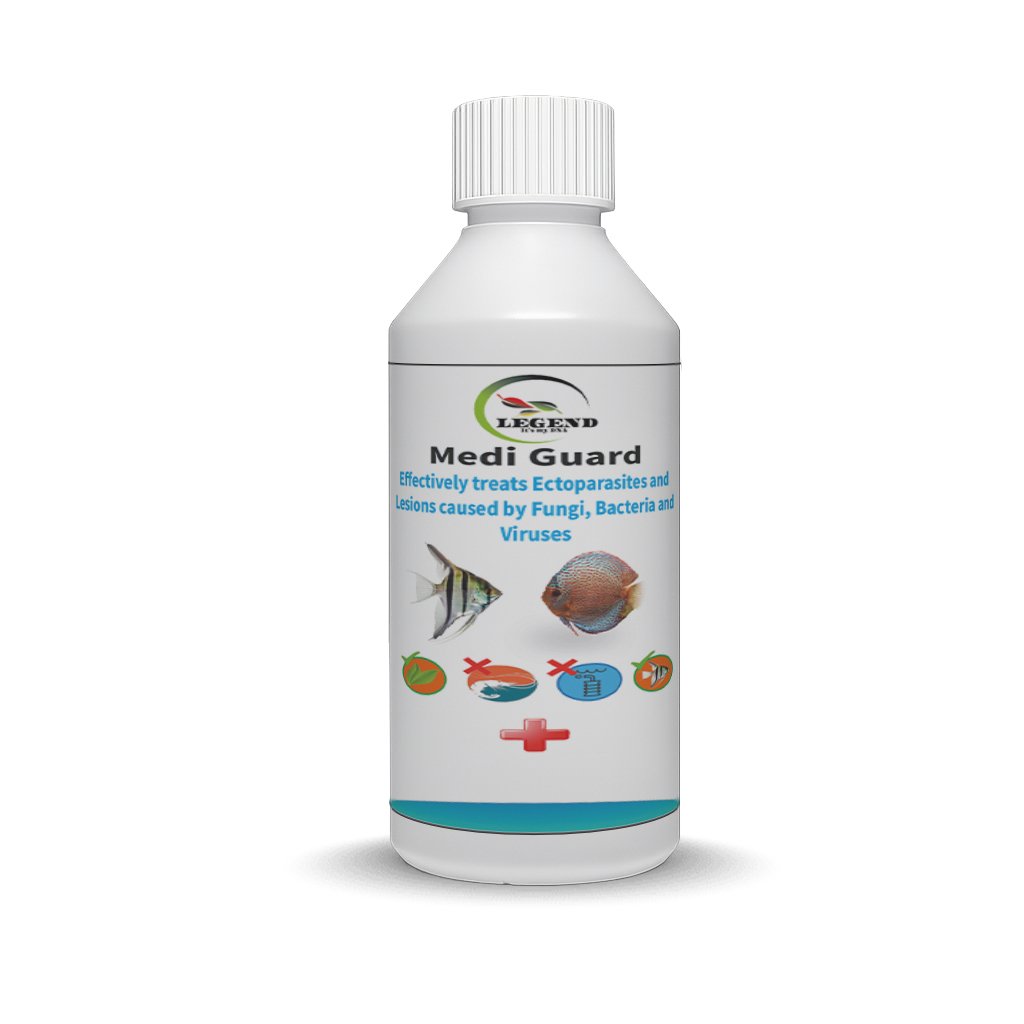
Legend MediGuard™ is a professional external treatment developed to help manage a broad range of common fish parasites and surface infections while remaining gentle on fish and biological filtration when used as directed.
Built around a modern aldehyde-based treatment system, MediGuard™ delivers fast, targeted action without relying on harsh formalin-type chemistry. Its carefully balanced formulation is designed to support the treatment of external protozoan parasites, fungal growth, and superficial bacterial issues.
Unlike many traditional treatments, MediGuard™ is designed for routine use in quarantine systems, hospital aquariums, and acclimation setups for newly introduced fish. It does not significantly alter water chemistry when applied at the recommended dose.
Suitable for freshwater and marine fish-only systems, MediGuard™ offers an effective balance between performance and fish safety, making it an excellent choice for both hobbyists and advanced aquascapers.
Available volumes: 100 mL, 250 mL, 500 mL
Indications
MediGuard™ is designed for the treatment of several common external fish conditions. As many diseases can present with similar visual and behavioural symptoms, diagnosis should always consider the fish's overall condition, environment, and progression of symptoms.
White Spot (Ich)
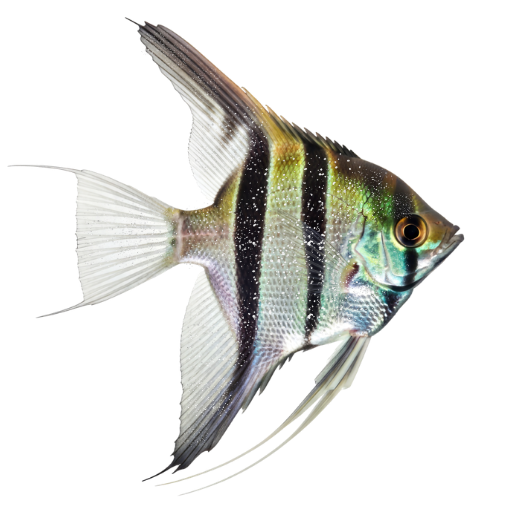
Characterised by small white cyst-like spots resembling grains of salt on the body and fins. Fish may also display flashing behaviour, rapid respiration, lethargy, or general irritation.
Typical treatment duration:
- Freshwater: approximately 10–14 days
- Marine: up to 21–28 days
Important: Consistent daily dosing is essential to interrupt the parasite's life cycle and reduce the risk of reinfection.
Velvet
Piscinoodinium (freshwater) / Amyloodinium (saltwater)
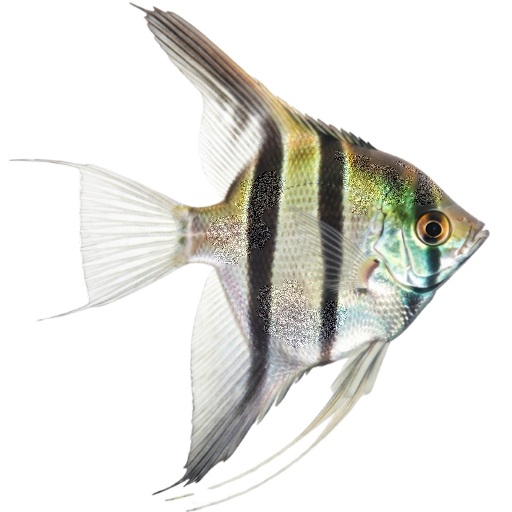
Velvet typically appears as a fine golden, dusty, or grey-gold coating on the fish's body. It is commonly associated with rapid gill movement, reduced activity, clamped fins, and visible stress.
Although similar to Ich in presentation, the visible particles are usually finer and more diffuse. Velvet is more frequently encountered in marine systems, but freshwater cases can also occur.
Suggested treatment period:
- 14–21 days
Special considerations: Velvet is photosynthetic, so reducing or switching off aquarium lighting during treatment may help improve treatment effectiveness.
Fin Rot / External Infections
Bacterial infection
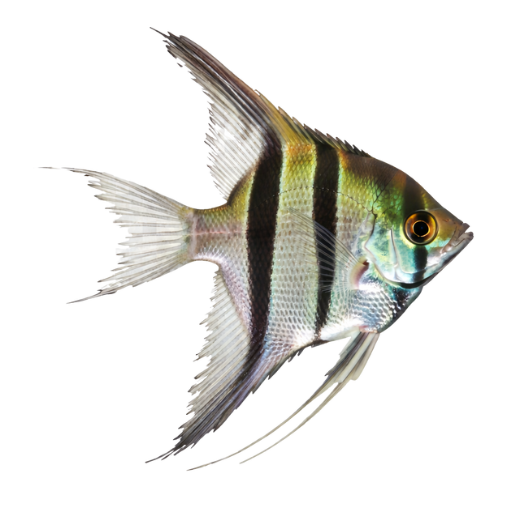
Frayed fins, tissue loss, reddened edges, cloudy skin patches, or deteriorating fin margins may indicate external bacterial involvement or a mixed secondary infection following stress, injury, or poor water quality.
Fin Rot is often mistaken for mechanical fin damage caused by tankmates, but persistent deterioration is usually associated with bacterial activity rather than fungus.
Suggested treatment period:
- 7 days or until the infection has clearly resolved
Special considerations: Fin Rot is frequently secondary to another underlying issue. Check for additional stressors or concurrent infections if healing is incomplete or symptoms return.
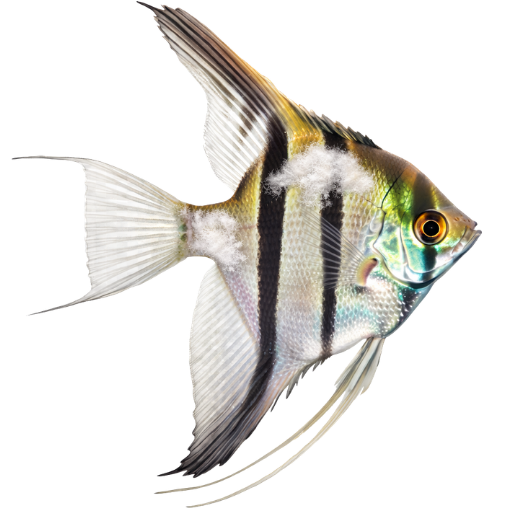
Flukes (Gill and Body)
Dactylogyrus trematodes (skin) / monogenean trematodes (gills)
Fish affected by flukes may appear sluggish, flash against décor, gasp at the surface, or show irritated, inflamed gills. Excess mucus production, twitching, and translucent patches may also be observed in more advanced cases.
Flukes are difficult to identify visually during the early stages because the parasites themselves are often not visible without magnification.
Suggested treatment period:
- 14 days or until the infection has cleared
Special considerations: Dip treatments with MediGuard™ may be useful as a supportive measure, but the full aquarium system should be treated when an active infestation is present.
Directions
Standard Dosing (Aquarium Application)
Before treatment, remove all invertebrates such as shrimp and snails, and discontinue the use of chemical filtration media including activated carbon and adsorption resins.
Dose 5 mL per 40 litres of aquarium water once daily. Continue dosing as required, provided the fish show no signs of stress or intolerance.
Medicated Dip (Short-Term Treatment)
MediGuard™ may also be used as a controlled dip in a separate treatment container.
- Dosage: 3 mL per 4 litres of water
- Duration: up to 60 minutes
Observe fish closely throughout the procedure. If no adverse reaction is noted, the dip duration may be extended with caution.
Important: Many pathogens persist in the aquarium environment. A dip treatment alone is not sufficient if fish are returned to untreated or contaminated water.
Quarantine Protocol
A dedicated quarantine aquarium is strongly recommended for all newly acquired fish before introduction into the main system. MediGuard™ may be used prophylactically even when no visible symptoms are present.
- Recommended quarantine duration: 10–14 days
Use with Sensitive Species
Some species, including loaches, eels, rays, and sharks, may be more sensitive to treatment.
- Begin with 50% of the standard dose
- Increase gradually to the full dose over several days
Compatibility Notice
MediGuard™ is not suitable for reef aquaria or systems containing corals and other sensitive invertebrates.
FAQ
Does MediGuard™ affect biological filtration?
No. When used at the recommended dosage, MediGuard™ is designed to remain compatible with beneficial biological filtration and should not disrupt the nitrogen cycle.
Can I use MediGuard™ in a shrimp or reef tank?
No. MediGuard™ is not suitable for aquariums containing shrimp, snails, corals, or other sensitive invertebrates.
How quickly does MediGuard™ work?
Visible improvement is often seen within a few days, depending on the severity of the condition. However, the full treatment course should always be completed to minimise the chance of recurrence.
Do I need to do water changes during treatment?
Water changes may be carried out when necessary. If a water change is performed during treatment, re-dose the aquarium accordingly to maintain the intended treatment concentration.
Can I combine MediGuard™ with other medications?
In most cases, MediGuard™ is best used as a standalone treatment unless compatibility with another medication has been clearly established.
Does MediGuard™ change pH or water parameters?
No significant change in pH or general water chemistry is expected when the product is used according to directions.
Safety
For aquarium use only. For ornamental fish only. Keep out of reach of children and pets.
Avoid contact with eyes, skin, and clothing. In the event of eye contact, rinse immediately and thoroughly with clean water and seek medical advice if irritation persists.
Do not use in aquariums containing corals, shrimp, snails, or other sensitive invertebrates. Store tightly closed in a cool, dry place away from direct sunlight.