
Overview
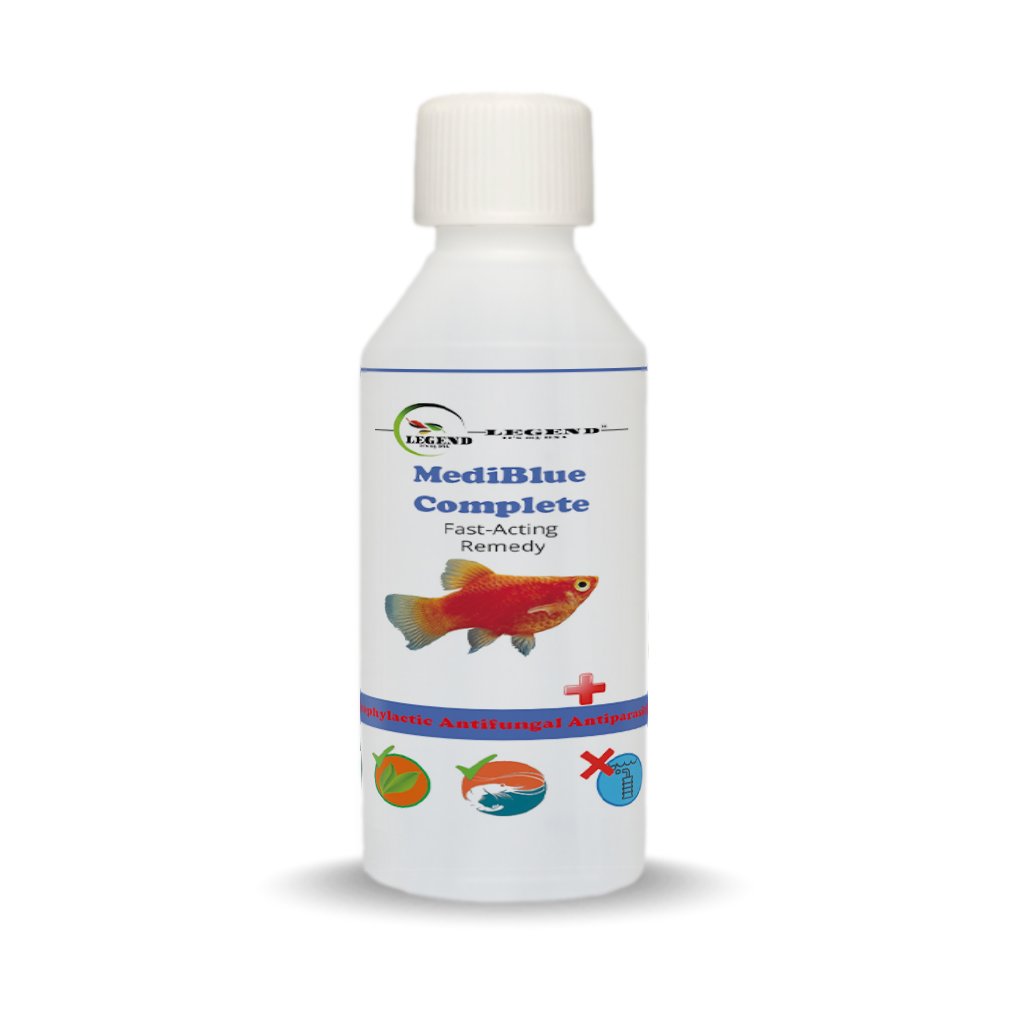
Legend MediBlue is a treatment for bacterial, fungal and some external parasitic infections with protozoa in fish, fry and eggs. Legend MediBlue Complete can be used to treat bacterial, fungal, and some external protozoan parasitic infections. Legend MediBlue Complete is suitable for both coldwater and tropical aquariums and is safe for use with eggs and fry.
It is best used in a quarantine aquarium or treatment bath but can also be added directly to the aquarium, when transporting fish, or applied directly to wounds.
If applying directly to wounds, dab undiluted Legend MediBlue Complete on affected areas using a cotton bud.
ALOE VERA helps to heal damaged tissue and replace the fish's protective slime coat. It can aid in recovery by promoting healing and reducing stress, making the fish more resilient to illness and treatments.
Available volumes: 100 mL, 250 mL
Indications
Legend MediBlue Complete™ is appropriate for treating a variety of infections. Be aware that many diseases and infections share similar physical and behavioral symptoms, e.g. clamped fins, lesions, loss of appetite.
Velvet
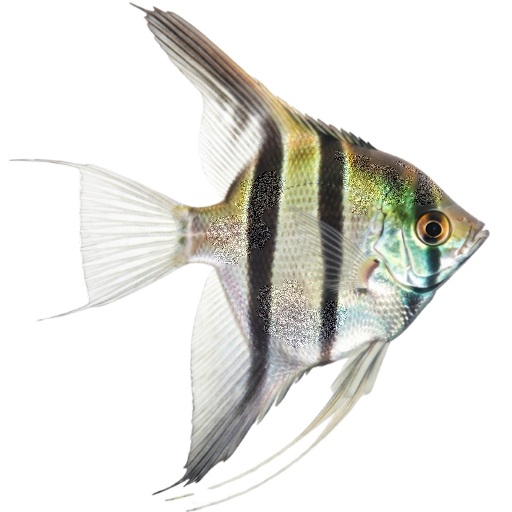
Piscinoodinium (freshwater) / Amyloodinium (saltwater).
Similar to Ich, but smaller and grey-gold. Most often seen in saltwater, but can occur in freshwater as well. Velvet is less common than Ich, but the treatment is almost identical.
Suggested Treatment Period:
1 ml of the 1% solution per 50 liters of water (equivalent to 2 ppm effective concentration).
Special Considerations
Keep in mind that many parasites and diseases will mimic the symptoms of Ich or Velvet. Research possible fish diseases and, if in doubt, consult an exotic animal vet.
Ich (White Spot)
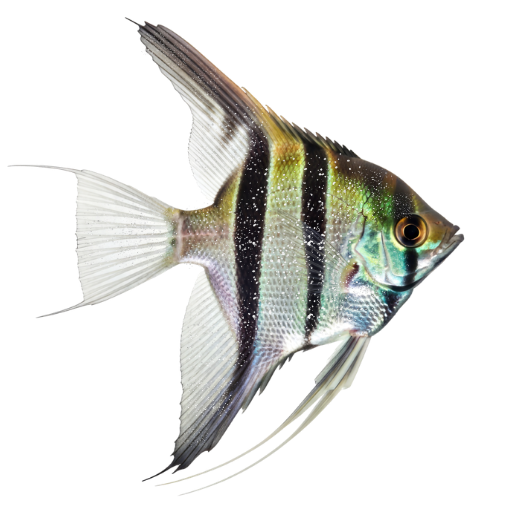
Ichthyophthirius (freshwater) / Cryptocaryon (saltwater)
Looks like salt sprinkled on the fish's body and fins. Usually accompanied by twitching, flashing, and other signs of stress.
Suggested Treatment Period:
1 ml of the 1% solution per 50 liters of water (equivalent to 2 ppm effective concentration).
Dip (High Concentration Bath)
A concentrated short-term dip can be used for acute situations. Fish are briefly immersed in a separate container with a higher concentration solution. Monitor closely for any signs of stress.
Special Considerations
Ich Life Cycle: Targets the free-swimming stage; cyst stage is medication-resistant.
Biological Filtration: Can harm nitrifying bacteria; quarantine tank recommended.
Staining: Can stain silicone/plastic/porous decorations.
Fungal
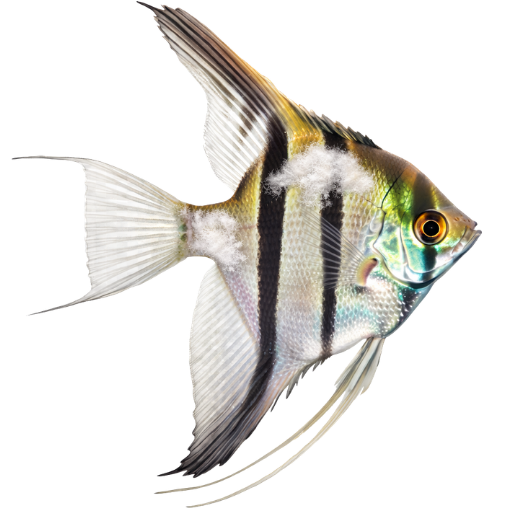
Cotton-like tufts of white fiber. Almost always a secondary infection.
Suggested Treatment Period:
1 ml of the 1% solution per 50 liters of water (equivalent to 2 ppm effective concentration).
Special Considerations
Fungus is usually secondary; look for the underlying cause that made the fish susceptible.
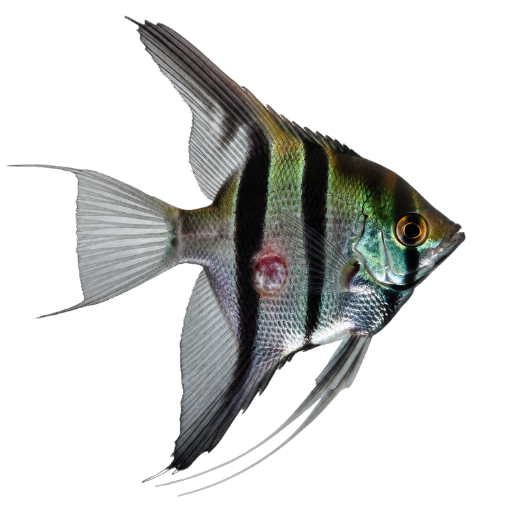
Bacterial Infections
Open wounds or sores on the body or tail. Often start due to wounds from travel or aggressive tankmates.
Suggested Treatment Period:
1 ml of the 1% solution per 50 liters of water (equivalent to 2 ppm effective concentration).
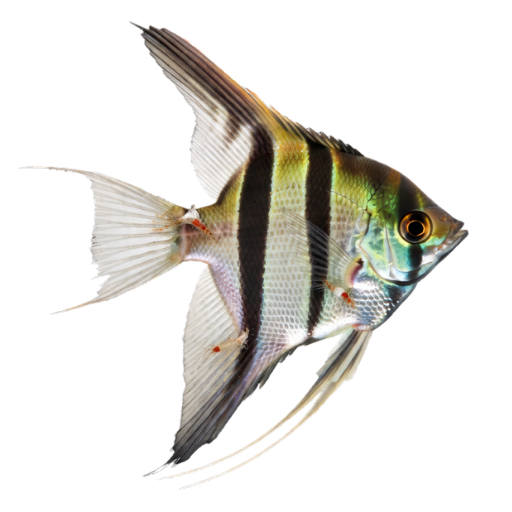
Parasites
Fish appear sluggish, rub against rocks, pant, show irritated gills, excess mucus, twitching.
Suggested Treatment Period:
1 ml of the 1% solution per 50 liters of water (equivalent to 2 ppm effective concentration).
Special Considerations
Most effective when parasites are in their free-swimming stage. Perform partial water changes and re-dose as needed.
Directions
Treatment
1 ml of the 1% solution per 50 liters of water (equivalent to 2 ppm effective concentration).
Dip (High Concentration Bath)
A concentrated short-term dip can be used for acute situations. Monitor fish closely for stress.
After Treating
Perform a water change and use carbon if you need to remove residual medication.
FAQ
How often do I need to treat?
The frequency of treatment depends on whether you are using a concentrated bath, a quarantine tank, or treating fish eggs.
Treatment Frequency by Method
Concentrated Baths: This method typically involves treating the fish once or twice daily for a specific duration per bath. The total period of daily treatment usually continues for a set number of consecutive days or until the fungal growth is no longer visible and healing begins.
Quarantine/Hospital Tank (Continuous Exposure): When treating fish in a separate tank, dosing is often done at regular intervals, such as every other day or every 24–48 hours. Before each new dose, a portion of the water should be changed to maintain water quality and prevent the accumulation of chemicals.
Fish Eggs (Preventative): For preventing fungal growth on fish eggs, a single application to the water is often sufficient. The concentration is typically maintained until the young fish are free-swimming for a few days.
When to Stop
Treatment should ideally continue until all visible signs of fungal infection are gone and the fish appear to be recovering. For severe infections, the treatment period may be extended, but it's important to observe the fish for any signs of stress. If there is no improvement after a few days, it may be necessary to re-evaluate the diagnosis or consider an alternative antifungal treatment.
I dosed and then added another product. What happened?
Combining MediBlue Complete™ with other aquarium products can lead to chemical interactions that reduce treatment effectiveness or harm your fish. The outcome depends specifically on what else was added.
Common Interactions
Antibiotics (Erythromycin or Tetracycline): MediBlue Complete™ should not be used concurrently with these antibiotics. Combining them can interfere with their efficacy and increase the risk of toxic side effects.
Water Conditioners: Most water conditioners are "redox-reducing" agents. If you added a conditioner just before or after MediBlue Complete™, it may neutralise the medication. It is recommended to wait at least 30 minutes after using a conditioner before adding MediBlue Complete™.
Specific Products (Priority™): Extensive amounts of detoxifiers like Legend Priority™ can significantly reduce or completely eliminate MediBlue Complete™ from the water.
Other Dyes (Malachite Green): While often used together in commercial "all-in-one" medications, mixing them yourself can be risky as both are toxic at high concentrations.
Potassium Permanganate: Do not combine these two in a bath; choose one or the other based on the symptoms.
Compatible Products
MediCopper Complete™: Sometimes used together in quarantine settings to treat complex infections.
MediFlavine Complete™: Often safe for simultaneous use with specific formulations like MediBlue Complete™.
Immediate Steps to Take
If your fish are gasping, lethargic, or showing rapid gill movement after mixing products: perform a 25–50% water change immediately, place activated carbon into your filter, add an airstone to support breathing, and monitor ammonia and nitrite levels daily for the next week.
Safety
In case of eye exposure, promptly and thoroughly wash eyes with water and seek medical attention. Aquarium Use Only. Keep Away from Children. For ornamental fish only.